Accessing Medical Care in Japan for Families (2026): What Parents Need to Know
AI-assisted guide, fact-checked against official and primary sources — not a sponsored stay. We don’t claim to have personally visited every place; we verify details, cite official sites, and flag anything you should confirm before you go. How we make these guides →
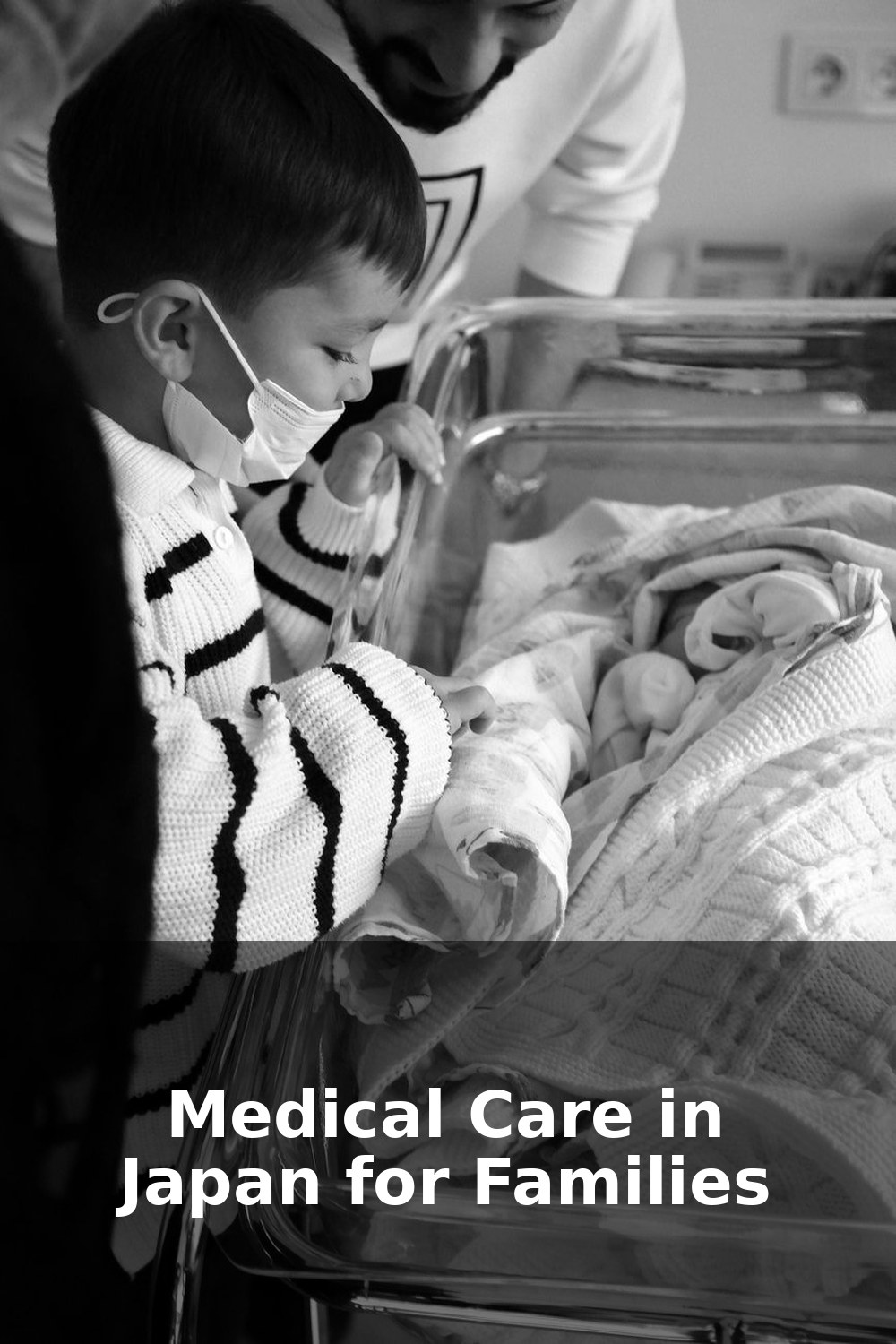
Photo by Dilara Doğar on Pexels
For families traveling in Japan, accessing medical care typically involves higher out-of-pocket costs if you don't have Japanese insurance, and often requires advance reservations for clinics and hospitals. Because a sudden fever at 3 AM can really put a dent in those cherry blossom viewing plans, right?
- Medical costs without Japanese health insurance are significantly higher, calculated at JPY 20 per point instead of JPY 10.
- Always purchase comprehensive private travel medical insurance before your trip to Japan.
- Many hospitals and specialist clinics require advance reservations, so check their websites or call ahead.
- Bring your child's medical history, current medication list, and any referral letters from your primary doctor.
- Emergency and after-hours pediatric care centers have specific operating hours in major cities like Tokyo.
It's tough when your child gets sick in a foreign country. This guide helps you understand how to find care, manage costs, and know what to expect in Japan.
Understanding Medical Costs and Payment in Japan
One of the most important things for parents to know is that if you are not enrolled in Japanese public health insurance, medical fees are generally calculated at JPY 20 per point, compared to JPY 10 per point for insured individuals. This means costs can be substantially higher for visitors.
For example, a common appendectomy could cost approximately 600,000 JPY without insurance, while treating a wrist fracture (橈骨末端閉鎖性骨折) might be around 20,000 JPY (as of 2026, confirm on the official site). More complex situations, like a cycling accident leading to traumatic pneumothorax and a rib fracture, requiring surgery, 19 days of hospitalization, and a private jet transfer to the US with an accompanying doctor, could total 7.5 million JPY (as of 2026, confirm on the official site).
Similarly, an acute myocardial infarction requiring surgery, 45 days of hospitalization, and private jet transfer to Singapore with an accompanying doctor, could reach 10 million JPY (as of 2026, confirm on the official site). Even something as common as childbirth averages around 500,000 JPY in Japan (as of April 2023, confirm on the official site).
Many smaller clinics often only accept cash payments. To avoid unexpected financial stress, it is highly recommended to purchase comprehensive private travel medical insurance before your trip. This coverage is your family's financial safety net against high medical bills.
Finding a Clinic or Hospital and Making Reservations
Spontaneity is great for sightseeing, but not always for doctor's visits in Japan. Many hospitals, especially larger ones or specialist clinics, require advance reservations. It’s always best to check the hospital’s website or call ahead. Even if a reservation isn't strictly mandatory, having one can significantly reduce those long waiting times that parents know all too well.
For urgent pediatric care at certain clinics, foreign tourists may even need to complete an online application form first, with direct walk-ins not accepted. An appointment time will then be communicated via email, saving you the hassle of waiting with a cranky child. If your child has chronic conditions or takes medications prescribed overseas, bring a referral letter from your primary doctor. This letter, ideally in Japanese or English, should detail examination results, test results, and specific medication names and doses. Without it, doctors in Japan may need to perform new tests, adding to both cost and time.
Always bring your passport (and your child's) and any health or travel insurance documents. If you don't have an "o-kusuri techo" (medication notebook), be prepared to list all current medications, including dosage and frequency. And if you're not planning to bring your own bulky baby gear, remember you can rent a stroller, car seat & baby gear in Japan (no lugging it from home), making airport transfers much smoother.
Key Medical Facilities and Opening Hours
Knowing where to go and when is crucial, especially when dealing with a sick child. Here are some examples from Tokyo:
| Facility Type | Location/Name | Hours (as of 2026, confirm on official site) |
|---|---|---|
| Pediatric Emergency | Tokyo Northern Medical Center (Kita-ku) | Mon-Sat (excluding holidays), 8:00 PM - 11:00 PM (reception until 10:45 PM) |
| Holiday/Nighttime Clinic | Shinjuku Ward Doctor's Association Community Health Center | Holidays: 9:00 AM - 5:00 PM (Internal Med/Pediatrics). Sat/Holidays Night: 5:00 PM - 10:00 PM (Internal Med). |
| Children's Emergency | Shibuya Children's Emergency Room | Daily (weekdays, weekends, holidays, New Year's holidays), 7:00 PM - 10:00 PM |
| Medical Info Service | Tokyo Medical Institution Information Service "Himawari" | 24-hour phone guidance (03-5272-0303); Foreign patients line (English, Chinese, Korean, Thai, Spanish): Daily, 9:00 AM - 8:00 PM (03-5285-8181). |
The Tokyo Northern Medical Center provides initial emergency care for children aged 15 and under with sudden illness. This is for stabilization, not for ongoing treatment. The Shinjuku Ward Doctor's Association Community Health Center offers internal medicine and pediatrics on holidays, with a telephone center (03-3208-2223) available for consultation before visiting.
For immediate support, the Tokyo Medical Institution Information Service "Himawari" is your go-to friend. They provide 24-hour telephone guidance and have a dedicated line for foreign patients in multiple languages, including English (03-5285-8181, daily 9:00 AM - 8:00 PM, as of 2026, confirm on the official site).
Nursing Rooms and Diaper-Changing Facilities in Hospitals
Good news for parents of infants: many hospitals in Japan, especially those with pediatric departments, offer nursing rooms and diaper-changing facilities. These are considered essential due to the possibility of long waiting times for appointments. No more tactical diaper changes behind a bush!
Some facilities, like Minami Tama Hospital, even feature "Akachan Flat" (赤ちゃん・ふらっと) spaces. These are dedicated areas for nursing, preparing formula, and changing diapers, meeting specific Tokyo Metropolitan Government requirements. These useful facilities are often available for non-patients during operating hours, though you might be asked to take used diapers home with you.
Nihon University Itabashi Hospital, for example, has two nursing rooms and two diaper changing stations on the first floor (as of 2026, confirm on the official site). Look for these family-friendly amenities.
FAQ
What should I do if my child has a chronic medical condition?
Bring a comprehensive referral letter from your primary doctor, translated into Japanese or English, detailing your child's condition, current medications (names, doses), and any specific care instructions. This will help Japanese doctors understand your child's needs without unnecessary new tests.
Do Japanese doctors speak English?
While not all doctors speak English, many larger hospitals and international clinics in major cities will have English-speaking staff or access to translation services. The "Himawari" service (03-5285-8181) can help locate English-speaking medical facilities.
What's the difference between a clinic and a hospital in Japan?
Clinics (診療所, shinryōjo) are smaller, often specialized facilities for routine consultations, minor illnesses, or follow-ups. Hospitals (病院, byōin) are larger institutions with multiple departments, advanced equipment, and inpatient facilities for more serious conditions or emergencies.
Can I get my child's overseas prescription refilled in Japan?
It's generally difficult to get an exact refill of an overseas prescription, as Japanese pharmacies can only dispense medications approved in Japan and prescribed by a Japanese doctor. Bring enough of your child's medication for the entire trip. If more is needed, a Japanese doctor will need to prescribe an equivalent.
What documents should I bring to a medical appointment?
Always bring your child's passport, your passport, proof of travel medical insurance, a list of current medications, and any relevant medical history or referral letters from your home doctor.
What happens if it's a serious medical emergency?
In a life-threatening emergency, call 119 for an ambulance. If you can, have a Japanese speaker assist you. Otherwise, clearly state "kyūkyūsha" (ambulance) and your location. The ambulance service will take your child to the nearest appropriate hospital.
Are there any resources for finding a doctor in my area?
For immediate assistance, the Tokyo Medical Institution Information Service "Himawari" (03-5285-8181 for foreign languages) can guide you to a suitable medical facility in Tokyo. Many major cities will have similar services or embassy recommendations. Also, check with your travel insurance provider for their network of doctors.
Being prepared for potential medical needs means less worry and more wonderful family memories in Japan.