Child Sick in Japan? Essential Medical Guide for Families (2026)
AI-assisted guide, fact-checked against official and primary sources — not a sponsored stay. We don’t claim to have personally visited every place; we verify details, cite official sites, and flag anything you should confirm before you go. How we make these guides →
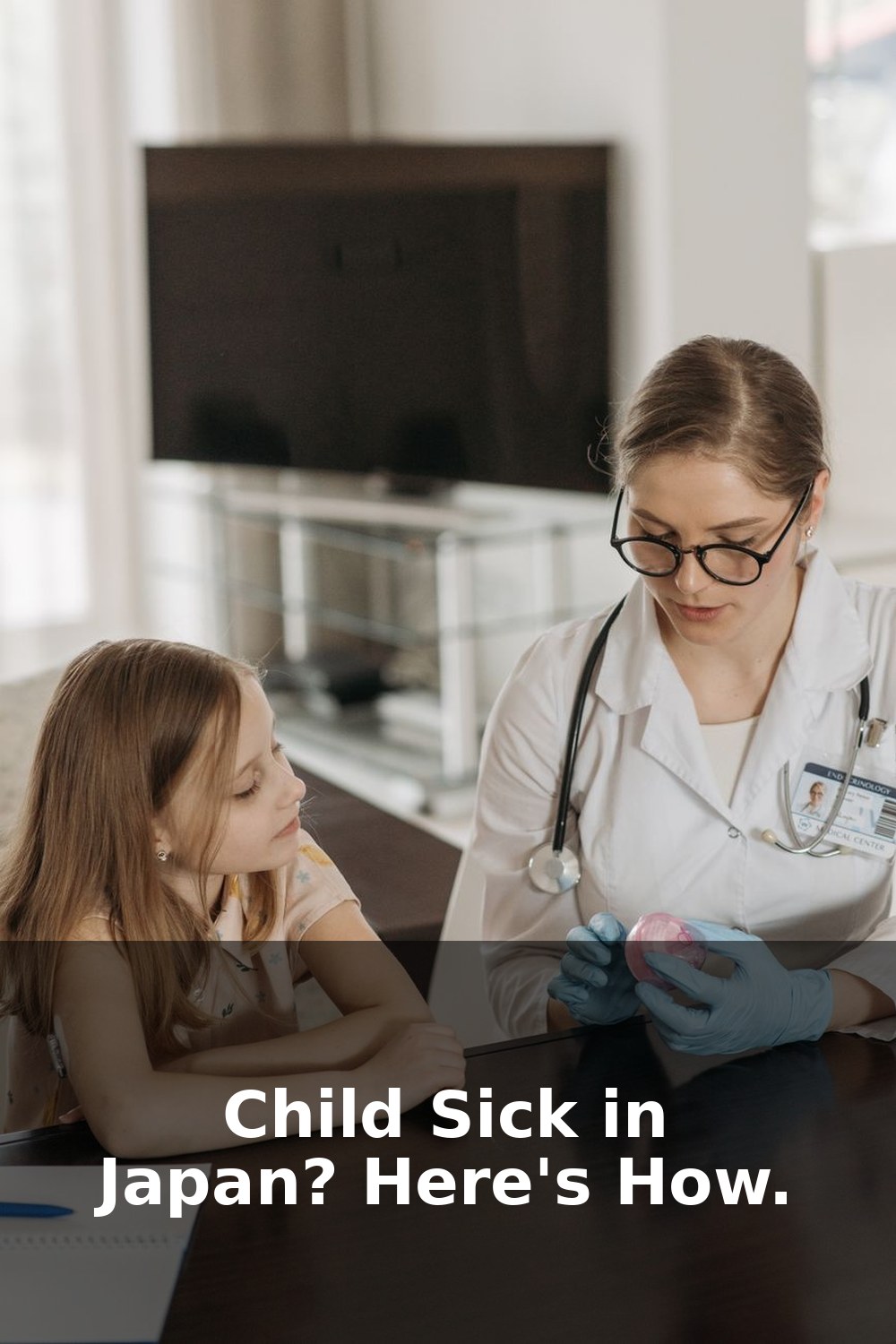
Photo by Pavel Danilyuk on Pexels
If your child gets sick while traveling in Japan, your first steps are to assess the urgency: call #8000 for medical advice from a pediatrician or nurse, or dial #7119 for emergency consultation if you're unsure whether to go to a hospital or call an ambulance. Even the best-planned family trip can hit a snag, and knowing these numbers can turn a stressful moment into a manageable one.
- #8000 (Children's Medical Telephone Consultation): For non-emergency advice on symptoms.
- #7119 (Emergency Consultation Center): For adults and children, guidance on whether to go to a hospital or call an ambulance.
- 119: For immediate, life-threatening emergencies requiring an ambulance.
- Travel Insurance: Absolutely essential; medical costs for foreign travelers without Japanese insurance are extremely high.
- After-Hours Clinics: Utilize designated clinics for evening and holiday pediatric care.
When to Seek Medical Help: Key Contacts in Japan
Knowing who to call and when is crucial when your child isn't feeling well. Japan has an excellent, well-structured medical system, and while navigating it in a foreign language might seem tricky, key emergency numbers are thankfully standardized and accessible.
Children's Medical Telephone Consultation (#8000)
For immediate advice regarding your child's symptoms, especially if it's not a life-threatening emergency but you're concerned, dial #8000. This service connects you to a pediatrician or nurse in your prefecture who can offer guidance on whether to visit a hospital and what to do in the interim. Operating hours for this service can vary significantly by prefecture, so it's wise to check local specifics upon arrival, or if you can access local information in Japanese, confirm them directly (as of 2026, confirm on the official site).
Emergency Consultation Center (#7119)
If you're unsure whether your child's condition warrants an ambulance or a hospital visit, the #7119 service is your go-to. This center provides advice for both adults and children. In Tokyo, this valuable service operates 24 hours a day. If for some reason #7119 is unavailable, direct lines for Tokyo's 23 wards are 03-3212-2323 and for the Tama area, 042-521-2323. These services are designed to help you make informed decisions before rushing to an emergency room unnecessarily, which can save precious time and resources for truly critical cases.
Emergency Ambulance (119)
For genuine, life-threatening emergencies, such as severe injuries, unconsciousness, or difficulty breathing, dial 119 for an ambulance. This is the equivalent of 911 in the US or 999 in the UK and should be reserved for critical situations.
Finding a Doctor or Hospital for Your Child
Once you've assessed the situation, locating an appropriate medical facility is the next step. Japan offers various options, from general clinics to specialized pediatric hospitals.
After-Hours and Holiday Clinics
Many major cities provide designated clinics specifically for nighttime and holiday pediatric emergencies. These can be a lifesaver when regular clinics are closed.
- Shinjuku Nighttime Children's Clinic (しんじゅく夜間こども診療室): Located within the National Center for Global Health and Medicine (国立国際医療センター内), this clinic specifically caters to children up to 15 years old. It handles common sudden illnesses like fever or abdominal pain but generally does not cover injuries, fractures, or burns. Their hours are Monday-Friday 7:00 PM - 10:00 PM (reception until 9:30 PM). On Saturdays, Sundays, national holidays, and during the New Year's period (December 29 - January 3), they operate from 6:00 PM - 10:00 PM (reception until 9:30 PM). A reservation is highly recommended; call 03-6228-0713 during reception hours before visiting (as of 2026, confirm on the official site).
- Tokyo North Medical Center (東京北医療センター): For pediatric care, hours are typically 8:00 PM - 11:00 PM on weekdays and 8:00 PM - 10:45 PM on weekends and holidays (as of 2026, confirm on the official site).
When visiting such clinics, expect minimal medication (usually a 1-day supply) and rarely rapid tests for infections. Follow-up with a regular doctor the next day is often recommended.
Hospitals Accepting Foreign Patients
The Tokyo Metropolitan Bureau of Social Welfare and Public Health offers lists of medical institutions that can accommodate foreign patients. These hospitals may have staff who speak English or other languages, or they may utilize interpretation services. For example, Fukuoka City Children's Hospital has an International Medical Support Center providing English and Japanese language support from 9:00 AM to 5:00 PM on weekdays; you can reach them at 092-692-3312 (as of 2026, confirm on the official site).
Reservations and Language Support
For some clinics, particularly if you don't have Japanese health insurance, advance appointments are mandatory, often requiring an online application form. For instance, Okubo Ekimae Hayashi Clinic only accepts pediatric patients with prior online appointments. While direct patient interpretation might not always be available, the Tokyo Metropolitan Government offers a telephone interpreting service for medical institutions. This service covers English and Chinese 24 hours a day, and other languages like Korean, Thai, Spanish, French, Vietnamese, Nepali, and Tagalog during specific hours (5:00 PM to 8:00 PM on weekdays and 9:00 AM to 8:00 PM on weekends and holidays). The medical institution bears the call fee, with Ukrainian services currently waived.
Understanding Medical Costs for Foreign Tourists
This is where comprehensive travel insurance truly shines, proving its immense value. Medical treatment in Japan can be extraordinarily expensive for foreign travelers without Japanese public health insurance.
| Medical Scenario | Estimated Cost (without insurance) |
|---|---|
| Fractured rib with pneumothorax (surgery, hospitalization, repatriation) | Over ¥7.5 million |
| Acute myocardial infarction (surgery, 45 days hospitalization, repatriation) | Over ¥10 million |
| Typical After-Hours Surcharge | Varies, but adds significantly to base fee |
These figures are stark reminders that even minor issues can escalate quickly, both medically and financially. For instance, if surgical treatment for injuries is needed at the National Center for Global Health and Medicine's emergency center, additional "after-hours selection medical expenses" (時間外選定療養費) may apply. Always ensure your private medical travel insurance covers your family comprehensively, including emergency repatriation, before your trip.
Medication and Pharmacies
Japan has strict regulations regarding medications. If your child requires specific prescription medicine, bring a copy of the prescription and a letter from your doctor explaining the condition and dosage. For over-the-counter remedies like pain relievers or fever reducers, look for pharmacies (薬局 - yakkyoku) or drugstores (ドラッグストア - doraggu sutoa). While many common remedies are available, they might have different brand names or active ingredient concentrations. It's always best to consult with a pharmacist or doctor if you're unsure.
While preparing for potential illness might feel like adding to your trip planning, being informed empowers you to quickly handle any bumps and get back to making wonderful family memories. And once everyone is back to full health, remember there are countless skip-the-line family experiences to book on Klook, from theme parks to unique cultural tours, waiting to be enjoyed!
FAQ
What if my child needs specific prescription medication?
Always bring a copy of your child's prescription and a doctor's letter detailing their condition and medication. Japan has strict import rules, so confirm permissible quantities before travel. Over-the-counter options may also differ.
Is there an English-speaking doctor search service in Japan?
The Tokyo Metropolitan Bureau of Social Welfare and Public Health provides lists of medical institutions with foreign language support. Online resources and hotel concierge services can also assist in finding English-speaking doctors.
How do I communicate with medical staff if there's a language barrier?
Many hospitals that cater to foreign patients will have some English-speaking staff or access to telephone interpretation services, such as those provided by the Tokyo Metropolitan Government, covering various languages 24/7 or during specific hours.
Can I use my home country's health insurance in Japan?
Typically, no. Your home country's health insurance is unlikely to be directly accepted for payment in Japan. You will pay upfront and then seek reimbursement. Comprehensive private travel insurance is vital for this reason.
What should I bring to a clinic appointment?
Bring your child's passport, your travel insurance documents, any relevant medical history or prescription details, and payment (credit card or cash). A phone with a translation app can also be helpful.
Are rapid tests for common infections like flu or strep throat common in Japanese clinics?
For after-hours or emergency clinics, rapid tests for infections are generally not performed. They focus on immediate symptom management. Follow-up with a regular clinic the next day for more comprehensive diagnostics is often recommended.
What is the typical cost for a general consultation at a pediatric clinic?
Without Japanese health insurance, a general consultation can range from ¥5,000 to ¥15,000 or more, not including medication or specific treatments. After-hours or holiday visits will incur additional surcharges (as of 2026, confirm on the official site).
A little preparation for potential medical needs goes a long way, ensuring peace of mind so your family can fully embrace the magic of Japan without unnecessary stress.