Family Health Emergencies in Japan: A 2026 Guide
AI-generated guide, checked with an automated quality process. Details are linked to official sources where possible — always confirm before you travel. How we make these guides →
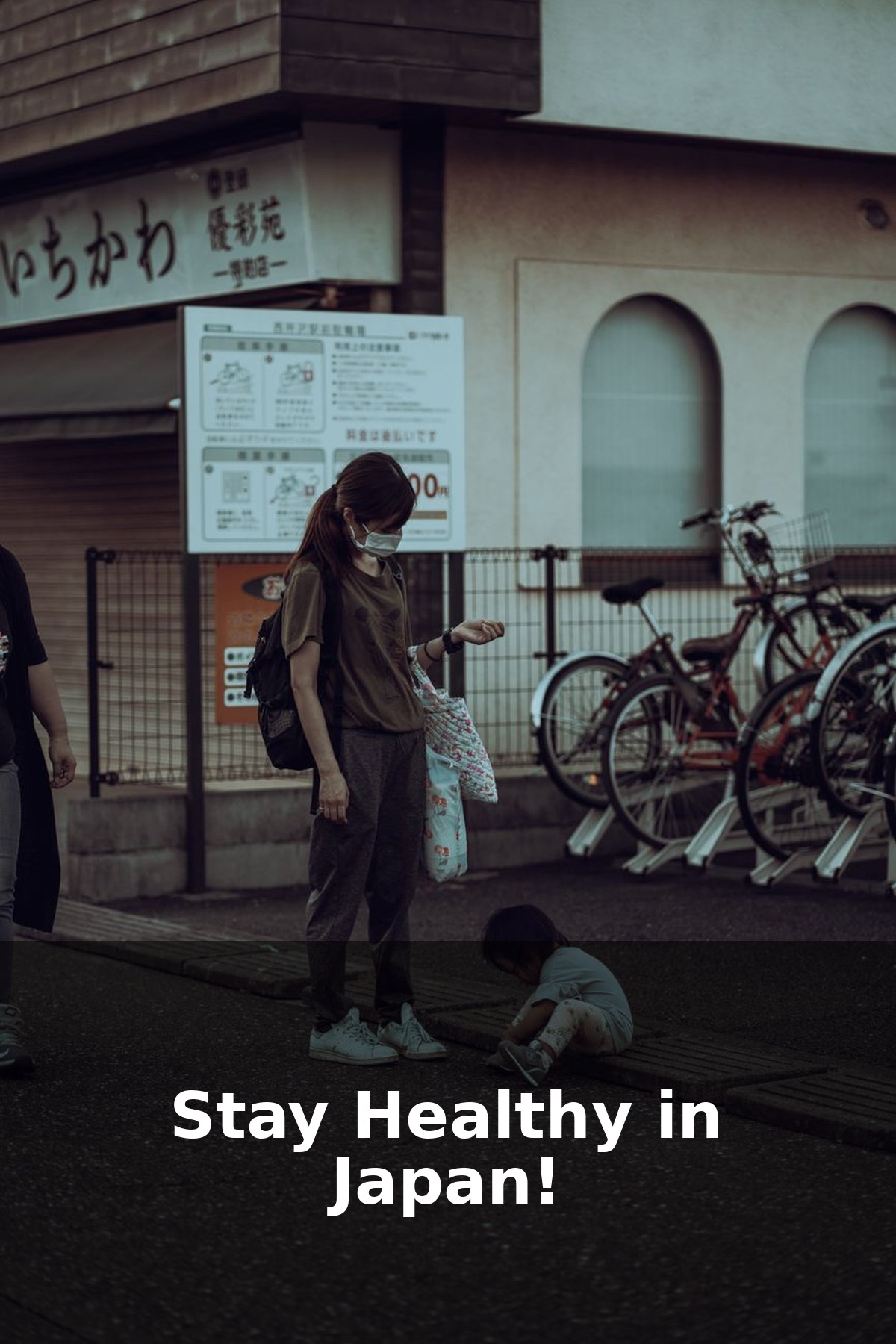
Photo by Nguyễn Thành Nhân on Pexels
In the event of a family health emergency while in Japan, parents can find clinics, pharmacies, and guidance on insurance to ensure their children receive prompt care. Knowing where to go can make all the difference when your child has a fever after a day of sightseeing. Here’s a comprehensive guide to help you navigate health emergencies in Japan.
- Understand the medical system and how to access it.
- Know your insurance options for children.
- Learn about language interpretation services.
- Familiarize yourself with local pharmacies and clinics.
- Be prepared for allergy labeling rules.
Understanding the Medical System in Japan
For common illnesses or injuries, local clinics (診療所 - shinryojo or クリニック - clinic) are usually your first stop. If the condition is serious, a referral to a larger hospital may be required. Be cautious: large hospitals often charge an additional fee (選定療養費 - sentei ryouyouhi) if you arrive without a referral. For example, Osaka University Hospital charges ¥8,800 for an initial consultation without a referral and ¥3,300 for follow-ups. (As of 2026, please confirm this on the official site.)
| Facility Type | Referral Required? | Initial Fee (¥) |
|---|---|---|
| Local Clinic | No | Varies |
| Large Hospital | Yes | 8,800 |
| Pediatric Clinic | Varies | Varies |
Health Insurance for Children
If your child is registered as a resident in Japan and enrolled in a health insurance scheme, they may be eligible for the Child Medical Expense Subsidy (子ども医療費助成 - Kodomo Iryohi Josei). This can significantly reduce co-payments for medical visits. For instance, in Higashihiroshima City, the co-payment with a recipient certificate can be as low as ¥500 per visit, with limitations of 14 days per month for outpatient care (As of 2026, please confirm this on the official site).
Accessing Pharmacies
Japanese pharmacies (薬局 - yakkyoku) are well-stocked with over-the-counter medications and often provide health consultations. A notable chain, Welcia, has some locations with English-speaking staff. Always check the opening hours, as some pharmacies close early or on weekends; typically, they operate from 9:00 AM to 8:00 PM but may vary by location.
Language Support Services
Language barriers can complicate medical emergencies. Services like LanguageOne offer 24/7 video and phone interpretation in five languages, including English. The Tokyo Metropolitan Government also provides emergency interpretation services available 24/7 for English and Chinese, and during specific hours for other languages. This service can be invaluable for explaining your child’s symptoms effectively.
Allergy Labeling Rules
Japan has strict food labeling regulations. The Food Labeling Act mandates that common allergens are clearly labeled on food products. Common allergens include wheat, eggs, and peanuts. For parents traveling with children who have allergies, it is crucial to familiarize yourself with these labels and communicate any dietary concerns to restaurant staff before ordering.
Emergency Contacts and Resources
In case of emergencies, familiarize yourself with local resources. Major hospitals typically have international support centers, such as the International Medical Support Center at Fukuoka City Children's Hospital, which provides English-speaking assistance from 9:00 AM to 5:00 PM on weekdays (call 092-692-3312). Additionally, always keep your emergency contact information handy when traveling with children.
Book skip-the-line family tickets & experiences on Klook →
FAQ
What should I do first in a medical emergency?
Visit the nearest clinic or pharmacy. If it’s serious, proceed to a hospital.
Do I need travel insurance?
Yes, it’s recommended to have travel insurance that covers medical emergencies, particularly for children.
Are there English-speaking doctors in Japan?
Yes, many clinics and hospitals have English-speaking staff, especially in larger cities.
How can I find a pediatrician?
Look for local pediatric clinics online or ask at your hotel for recommendations. They can often provide a list of nearby clinics.
What if my child has allergies?
Consult food labels and inform restaurant staff about allergies. Japan has strict labeling rules, so be proactive.
Can I get medications without a prescription?
Many over-the-counter medications are available at pharmacies without a prescription. However, for specific medications, a consultation may be required.
How do I interpret medical documents?
Use interpretation services like LanguageOne or bring a translated medical questionnaire to assist in understanding medical documents.
Is medical care in Japan expensive?
Costs vary; having insurance can significantly reduce expenses, but it’s advisable to be aware of potential out-of-pocket costs.
Traveling with kids can be unpredictable, but knowing how to handle health emergencies can ease some worries. Always consult local resources and ensure you have the necessary documents for your family's needs.