Japan Healthcare for Kids: Clinics, Pharmacies & Emergencies 2026
AI-assisted guide, fact-checked against official and primary sources — not a sponsored stay. We don’t claim to have personally visited every place; we verify details, cite official sites, and flag anything you should confirm before you go. How we make these guides →
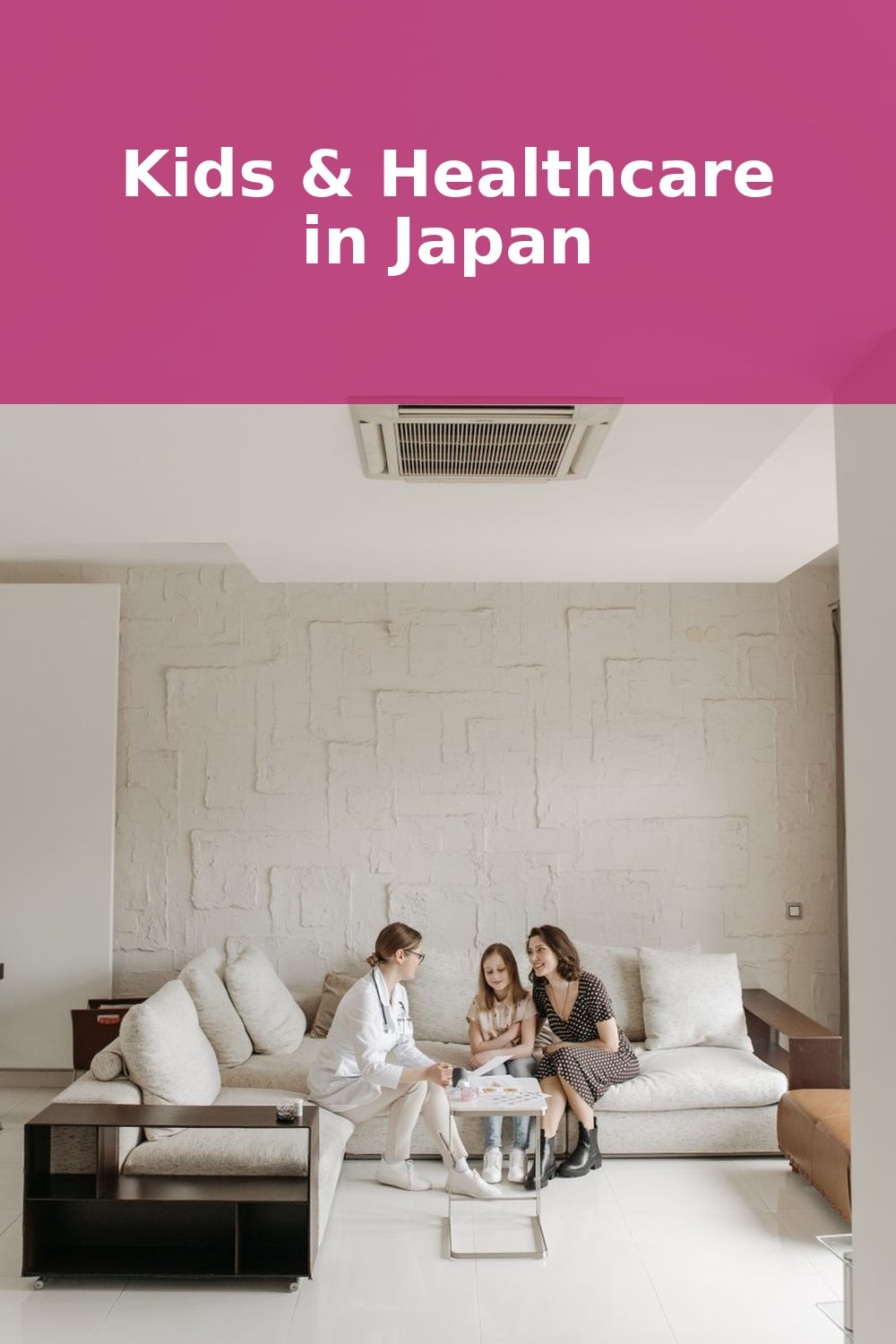
Photo by Pavel Danilyuk on Pexels
Healthcare for your kids in Japan might seem dauntingly different from home, but it's completely manageable for traveling families once you know the ropes. Japan's system is remarkably efficient, and while a sick child on vacation is nobody's idea of fun, grasping these basics can truly smooth out any unexpected health worries. Imagine this: you've just landed after a marathon flight, your toddler is staging their 4 AM jet-lagged opera, and then... a tiny sniffle. Every parent's travel nightmare, right? But armed with this guide, you'll feel ready for anything.
- Understand Japanese Health Insurance & Subsidies: If you're a resident, the Children's Medical Expense Subsidy can make pediatric care effectively free.
- Know Where to Go: General clinics are your first stop for non-emergencies; larger hospitals often require referrals.
- Prepare for Appointments: Always bring identification, insurance (if applicable), and expect to arrive early.
- Familiarize Yourself with Pharmacies: Over-the-counter options differ, so know what to ask for.
- Emergency Protocols: Dial 119 for serious emergencies, and know about after-hours clinics.
Understanding Japan's Healthcare System for Families
Japan's universal healthcare system is famous for its high standards and easy access. As a traveling family, knowing how it works – especially if you're not on local insurance – is your superpower for peace of mind.
Children's Medical Expense Subsidy (Kodomo Iryohi Josei Seido)
If you happen to be a foreign resident with a valid visa and Japanese health insurance (like National Health Insurance - Kokumin Kenko Hoken), your child might be eligible for a fantastic benefit: the Children's Medical Expense Subsidy. This subsidy, offered by most municipalities, often covers the remaining self-pay portion of pediatric medical care. This means that for eligible children up to age 18 (by the end of March of their high school year) in many areas of Tokyo, medical care can be effectively free at the point of service. Without this, the self-pay portion is typically 20% for children under elementary school age and 30% for those elementary school age and above.
To utilize this, you generally need to apply to your local municipal office after your child is enrolled in health insurance. You'll then receive a “Medical Certificate” (Iryōshō). When visiting a clinic or pharmacy, present both your child's health insurance card (hokensho) and this Medical Certificate. If you visit a medical institution outside your prefecture or forget your Medical Certificate, you might pay the full amount upfront. You can later apply for a refund (還付 - kanpu) from your local municipal office with receipts. Keep in mind, this subsidy doesn't cover non-insurance expenses like non-illness check-ups, certain vaccinations, or medicine container fees. As of October 2024, a special charge may apply for choosing original brand drugs when a generic alternative exists, and this charge is not covered by the children's medical expense subsidy.
Costs for Uninsured Travelers
For visitors without Japanese public health insurance, you'll be responsible for 100% of the medical costs. A basic first consultation at a pediatric clinic can typically range from ¥2,000 to ¥5,000 (as of 2026, confirm on the official site) for those with some insurance, based on a 20-30% co-payment of the total medical cost, which can be around ¥6,000 to ¥15,000. For uninsured foreigners, large hospitals might charge higher rates, sometimes up to 20 yen per medical point (whereas normally 1 medical point equals 10 yen). Surcharges apply for evening, night, weekend, and holiday consultations, especially for children under 6 years old, so plan accordingly to avoid extra fees if possible.
Clinics and Hospitals: Where to Go When a Sniffle Turns Serious
When your little one feels unwell, knowing exactly where to go is half the battle. For typical sniffles and minor woes, your local clinic is almost always the best first stop.
Making Appointments
Many clinics and hospitals, particularly larger ones, operate on an appointment-only basis or strongly recommend advance booking. Online reservation systems are becoming increasingly common. It’s always a good idea to call ahead to inquire about their reservation policy. For a first visit, especially to a major hospital like the National Center for Child Health and Development, you might need a referral (紹介状 - shōkaijō) from another medical institution.
When you head to the clinic, remember to bring your child's health insurance card (if applicable), the medical certificate (Iryōshō, if applicable), your passport for identification, and a completed new patient form (初診問診票 - shoshin monshinhyō) if it was provided beforehand. If you have one, also bring your child's Mother and Child Health Handbook (母子手帳 - boshi techō) for vaccination records and growth charts. Plan to arrive at least 15-30 minutes before your appointment to complete any necessary paperwork.
Clinic Operating Hours (as of 2026, confirm on the official site)
| Type of Service | Typical Hours | Notes |
|---|---|---|
| General Clinics | Mon-Fri: 9:00 AM - 12:00 PM, 2:00 PM - 5:00 PM | Often closed for lunch, usually closed Sundays & public holidays, some open Sat morning. |
| Larger Hospitals | Mon-Fri: 8:30 AM - 5:00 PM | May have specific outpatient hours, often require referrals for first visits. |
| Emergency Services | 24/7 | For true emergencies. Utilize local helplines for guidance on non-life-threatening issues. |
General pediatric clinics often close for lunch, typically from 12:00 PM to 2:00 PM, and are usually closed on Sundays and public holidays. Some may offer Saturday morning hours. For non-life-threatening issues outside these hours, consider after-hours clinics (夜間・休日診療所 - yakan kyūjitsu shinryōjo) which cater to evening and holiday consultations.
Pharmacies and Medications in Japan
Stepping into a Japanese pharmacy might feel a little different from your usual drug store run. What's available over-the-counter and how you get prescriptions can be a small adventure in itself!
Getting Prescriptions
After a doctor's visit, you'll receive a prescription (処方箋 - shohōsen). You then take this to a separate pharmacy (薬局 - yakkyoku), which is usually located near the clinic. The pharmacist will dispense the medication and provide detailed instructions, often in Japanese. Don't hesitate to ask for simpler explanations or if there's an English-speaking staff member.
Over-the-Counter Medications
Common children's medications like ibuprofen or acetaminophen are available, but brand names will differ. For instance, you might ask for “children’s fever medicine” (子供の解熱剤 - kodomo no genetsuzai) or “children’s cold medicine” (子供の風邪薬 - kodomo no kazegusuri). It's helpful to have a translation of the active ingredients you're looking for. The sheer relief of finding a pharmacy that actually stocks children's paracetamol can feel like winning the lottery, even if it’s just the Japanese equivalent!
Emergencies: When Every Second Counts
In those heart-stopping moments when every second truly counts, knowing the right number to dial is absolutely crucial.
Dialing for Help
For medical emergencies (like serious injury or sudden severe illness), dial 119 for an ambulance. This is the same number for fire services. An operator will answer, and while they may not always speak English, they will usually connect you to someone who can assist or use translation services. Clearly state it's a “kyūkyū desu” (急救です - it's an emergency) and your location.
Emergency Hospitals and After-Hours Clinics
Major hospitals typically have 24/7 emergency departments (救急外来 - kyūkyū gairai). For less severe but urgent issues outside of regular clinic hours, look for an after-hours clinic (夜間・休日診療所 - yakan kyūjitsu shinryōjo). These are often managed by local medical associations and provide basic care. Many prefectures, including Tokyo, offer telephone consultation services for parents unsure if their child's condition warrants an emergency room visit. For example, the Tokyo Metropolitan Bureau of Social Welfare and Public Health provides resources and contact numbers for such services, often available in English.
What to Bring in an Emergency
Always have your child's identification (passport), any relevant medical records, and your travel insurance details readily accessible. If you've opted to rent a stroller in Japan, make sure it's packed with a small emergency kit including any daily medications your child might need, just in case.
Practical Tips for Parents Traveling with Kids
- Travel Insurance is Essential: Always purchase comprehensive travel insurance that covers medical emergencies and repatriation.
- Prepare a Medical Kit: Pack a small kit with basic first aid supplies, any prescription medications, and your preferred children's pain relievers (if you find specific brands work best).
- Translate Key Phrases: Have common medical phrases (e.g., “fever”, “cough”, “stomach ache”, “allergy”) written down in Japanese or use a translation app.
- Locate English-Speaking Doctors: Before you go, research hospitals or clinics in your travel areas that have English-speaking staff. Major cities like Tokyo and Kyoto will have more options.
- Stay Hydrated and Rested: While this guide covers the tricky bits, a little preventative magic and common-sense prep will go a long way to keep everyone healthy and happy! Japan's summers can be very hot, so keep those little ones hydrated, and respect nap times.
While the focus here is on healthcare, remember that Japan offers countless amazing family experiences. When your little one is feeling better, you can always book skip-the-line family tickets & experiences on Klook to make up for lost time!
FAQ
What should I do if my child has a severe allergy in Japan?
Carry an allergy card translated into Japanese clearly stating the allergen and the necessary action (e.g., EpiPen administration). Inform restaurant staff and be vigilant about food ingredients. In an emergency, dial 119 immediately.
Can I buy common children's medications in Japan?
Yes, many common over-the-counter medications for fever, coughs, and colds are available at pharmacies, though brand names will differ. It's helpful to know the active ingredients you're looking for, or have a translation of the type of medicine you need (e.g., 'children's fever reducer').
Do I need travel insurance for my family trip to Japan?
Absolutely. Comprehensive travel insurance covering medical emergencies is highly recommended. Without it, you'll be responsible for 100% of medical costs, which can be substantial.
How do I find an English-speaking doctor or clinic in Japan?
Major cities like Tokyo, Kyoto, and Osaka have several hospitals and clinics with English-speaking staff or translation services. Your embassy or consulate might also provide a list of recommended medical facilities. Many hotels can also assist with recommendations.
What if I need to see a doctor on a weekend or public holiday?
For non-emergency but urgent care, look for after-hours clinics (夜間・休日診療所 - yakan kyūjitsu shinryōjo). For serious emergencies, head to a major hospital's emergency department or call 119.
What documents should I always carry for my child's health?
Always have your child's passport, travel insurance information, and any relevant medical history (e.g., known allergies, current medications) readily accessible. If residing, carry their health insurance card and medical certificate.
Being prepared is the best medicine when traveling with kids; a little planning can help you enjoy your Japanese adventure with peace of mind.