Keeping Kids Happy on Long Japan Journeys: Flights & Trains (2026)
AI-assisted guide, fact-checked against official and primary sources — not a sponsored stay. We don’t claim to have personally visited every place; we verify details, cite official sites, and flag anything you should confirm before you go. How we make these guides →
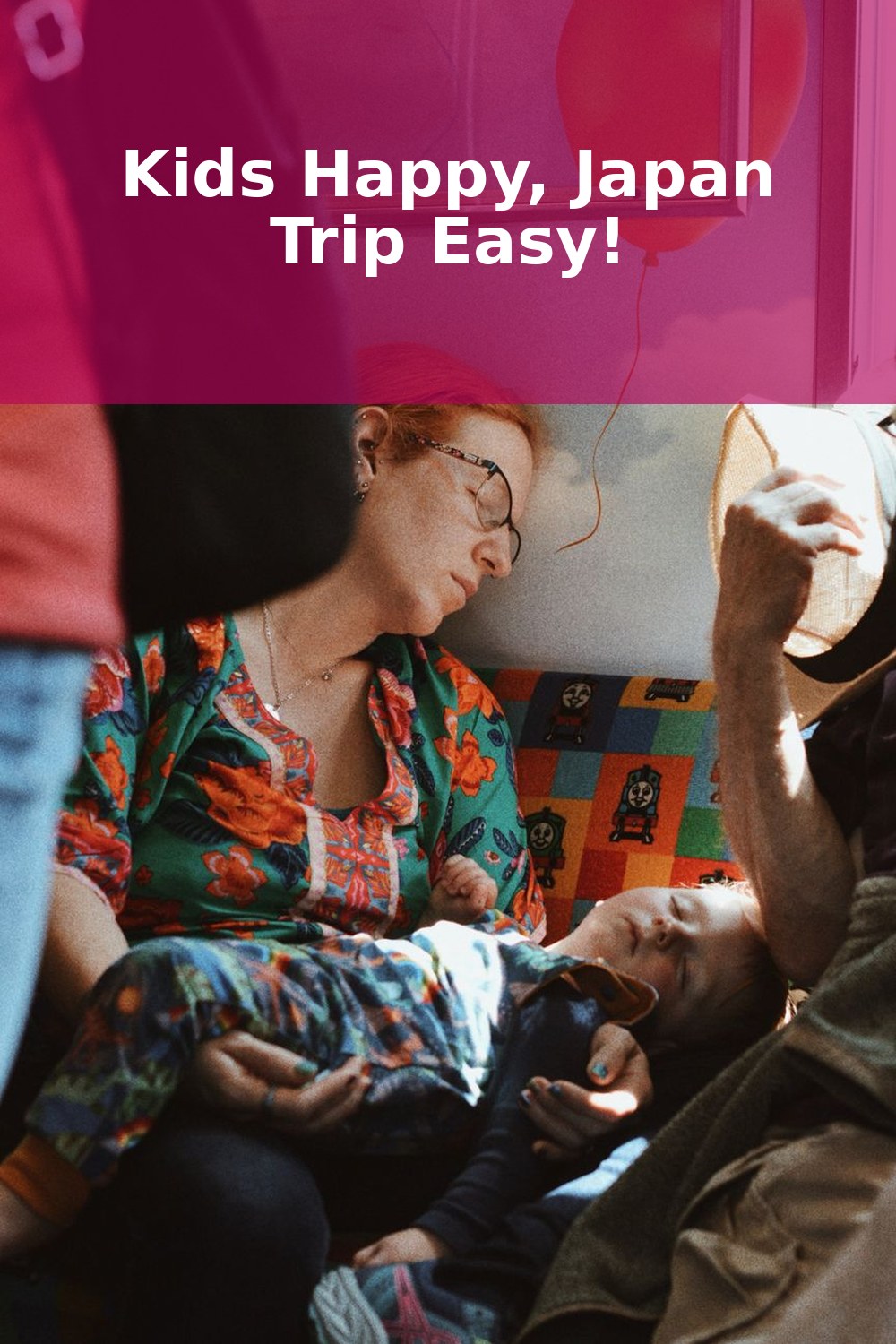
Photo by Sara Er on Pexels
Making long flights and bullet train rides in Japan with children enjoyable is all about smart planning and using Japan's fantastic family-friendly services. Keeping little ones happy and comfortable means knowing about airport perks, booking train tickets wisely, and packing a trusty bag of fun activities.
- Japan's major airports (Narita, Haneda) offer baby rooms, free stroller rentals, and dedicated kids' play areas.
- JR train child fares are half price for ages 6-11; infants and toddlers (under 6) travel free unless they occupy their own reserved seat.
- Bring portable entertainment, snacks, and plan interactive games to keep spirits high during travel.
- Tokyo Metro provides multilingual support for easy navigation.
Flights: Keeping Them Smiling from Take-off to Touchdown
Japan's main international airports, Narita (NRT) and Haneda (HND), are exceptionally family-friendly, making your journey smoother from the start. These hubs are designed to help parents and keep even the tiniest travelers content.
Narita International Airport (NRT)
Narita Airport truly caters to families, with services right where you need them.
- Baby Rooms (ベビールーム): Located in Terminals 1, 2, and 3, these spaces are thoughtfully designed with nursing booths for privacy, diaper changing tables, washbasins, and hot water dispensers for formula. Fathers are welcome to use all facilities except for the private nursing booths.
- Stroller Rental (ベビーカーの貸し出し): Need a stroller upon arrival? Free stroller rentals are available at information counters in all terminals for use within the airport. For longer adventures beyond the airport, private rental services offer more flexible options. For example, 'Monocali' offers strollers from approximately ¥200 per day (as of 2026, confirm on the official site) with convenient pick-up and return at airport post offices, and 'Naniwa Rental' starts from around ¥1,000 per day (as of 2026, confirm on the official site). The 'Airport Stroller Rental Service' at Narita (and Haneda) allows online reservations for pickup/return at JAL ABC counters, with rates such as ¥5,500 for 1-3 days (as of 2026, confirm on the official site).
- Kids Parks (キッズパーク): Dedicated play areas are present across all terminals. A key detail for Terminal 3 travelers: the kids' space here is located after security screening, perfect for letting off steam before boarding.
- Observation Decks (展望デッキ): All terminals feature observation decks. What's better than watching gigantic planes take off and land to mesmerize a tired toddler or an excited teen?
Haneda Airport (HND)
Haneda is another superb airport for families, known for its convenience and thoughtful design. The baby rooms here are particularly well-appointed.
- Baby Rooms (ベビールーム): You'll find these comprehensive facilities across Terminals 1, 2, and 3. They feature diaper changing tables, individual nursing rooms for privacy, hot water (over 70°C) for formula preparation, and some even include microwaves for warming baby food. Dads can access most areas, excluding the individual nursing booths. Look out for smaller 'kids' toilets' within some baby rooms too. The baby rooms at Haneda Airport Garden (connected to T3) operate from 6:00 to 24:00 (as of 2026, confirm on the official site).
- Stroller Rental (ベビーカーの無料貸出): Free stroller rentals for airport use are available at information or check-in counters in all terminals. They even offer different types: rear-facing for infants aged 2-48 months and front-facing for those 4-36 months. Haneda Airport Garden also provides stroller rentals for children aged 4-48 months, available 24 hours a day, for use within Terminal 3 (as of 2026, confirm on the official site).
- Kids Toilets (キッズトイレ): Specifically designed, lower-height toilets for children are primarily found in Terminals 1 and 2.
- Kids Spaces (キッズスペース): Play areas are scattered throughout the general and restricted areas of T1 and T2, and after security in T3, often providing delightful views of airplanes.
- Observation Decks (展望デッキ): Available in all terminals for aircraft spotting. The decks in T1 and T2 are open from 6:30 to 22:00, while T3's deck is open 24 hours (as of 2026, confirm on the official site, subject to change due to weather or security).
Train Rides: Smooth Journeys on Japan's Rail Network
Japan's train system, particularly the iconic Shinkansen, is incredibly efficient and designed with families in mind. A few key tips will make your journey with children even smoother.
JR Child Fares: Understanding the System
The Japan Railways (JR) Group has clear fare rules for children that can offer significant savings if you know them.
- "Kodomo" (こども) Fare: This applies to children aged 6 to under 12 (or elementary school age). Their train tickets, limited express tickets, express tickets, and reserved seat tickets are generally half the adult fare. Handy tip: any 5-yen fractions are rounded down, so you always get a slight benefit.
- Infants and Toddlers (乳児・幼児): Good news for parents of very young children! Infants (under 1 year old) and toddlers (1 year old to under 6, or pre-elementary school age) generally travel free of charge. However, there are a few exceptions where a "kodomo" ticket is required:
- If they occupy a reserved seat, a Green Car seat, or a sleeping berth independently.
- If an adult or "kodomo" is traveling with more than two infants/toddlers. In this case, the third and subsequent children will require a "kodomo" ticket. So, one adult can bring two toddlers for free, but the third one needs a child ticket.
- Other Fares: It's worth noting that Green Car tickets (for the more spacious Green Car), Gran Class tickets, sleeping berth tickets, and liner tickets typically cost the same for children as for adults.
- IC Card Fares: If your children use an IC card like a "Kodomo Suica," the fare is half the adult IC fare, rounded down to the nearest yen.
- Purchasing Tickets: Child tickets are easily purchased at "Midori no Madoguchi" (JR ticket offices) or from reserved seat vending machines. Simply specify the number of adults and children in your party. Consider a regional rail pass if you're exploring specific areas like Kansai or Tokyo for potential savings.
| Child Age Category | Fare Rule | Notes |
|---|---|---|
| Infant (under 1) | Free | No seat required |
| Toddler (1 to under 6) | Free | Up to 2 per adult/child fare; otherwise "kodomo" fare for extras or own seat. |
| "Kodomo" (6 to under 12) | Half adult fare | Includes base fare, limited express, reserved seat. Green Car, Gran Class, sleeping berth are adult price. |
| Adult (12 and over) | Full adult fare |
Shinkansen and Local Trains: Practical Tips
- Reserved vs. Non-reserved: For longer journeys, especially with little ones, reserving seats is highly recommended. You can select seats near the exits for quicker boarding/disembarking or those with extra luggage space. There are often seats with a small table, perfect for snacks or activities.
- Quiet Carriages: Be mindful of "Green Car" or "Gran Class" carriages; these are often quieter and pricier, so consider if your children can maintain the expected hush. Standard cars are generally fine for typical family chatter.
- Snack Strategy: Exploring the bento boxes and snacks at train stations is part of the fun! Stock up on drinks and easy-to-eat treats before boarding. Convenience store ('konbini') snacks can also be a secret weapon against travel boredom.
- Bilingual Navigation: Tokyo Metro, for example, offers information in Japanese, English, Korean, Chinese (Simplified/Traditional), and Thai on its website and at many stations, which can be incredibly helpful for finding your way around.
Engaging Activities for All Ages
Whether you're flying high or speeding across Japan, a good collection of distractions is key.
- Screen Time: Tablets loaded with movies, games, or educational apps are always a hit. Don't forget noise-canceling headphones to keep everyone happy and peaceful.
- Creative Play: Small LEGO sets, coloring books, sticker books, or a travel-sized magnetic drawing board can provide hours of quiet entertainment.
- Japanese-Themed Fun: Try "Are We There Yet? Bingo" using sights outside the window, or challenge kids to spot different types of trains. Bring a small notebook and let them sketch what they see.
- Snack Exploration: Introduce them to a new Japanese snack from a station kiosk every hour. It's a tasty way to explore local flavors!
- "Destination Prep" Time: Use travel time to look at photos of your next destination, teach them a few simple Japanese phrases, or plan their souvenir wish list. Maybe even browse options for skip-the-line family tickets to theme parks or unique cultural experiences in advance.
FAQ
What are the age limits for child fares on JR trains in Japan?
Children aged 6 to under 12 (elementary school age) pay "kodomo" fare, which is half the adult fare. Infants (under 1) and toddlers (1 to under 6) generally travel for free.
Do infants and toddlers need a ticket to ride a Shinkansen?
Infants and toddlers (under 6) travel free on the Shinkansen if they don't occupy a reserved seat, Green Car seat, or sleeping berth. If they need their own seat, a "kodomo" ticket is required.
Are there facilities for diaper changing and nursing at Japanese airports?
Yes, major airports like Narita and Haneda have well-equipped "Baby Rooms" with diaper changing tables, private nursing booths, washbasins, and hot water dispensers for formula.
Can I rent a stroller at Japanese airports?
Yes, Narita and Haneda airports offer free stroller rentals for use within the airport at information counters. Longer-term rental services are also available for use outside the airport for a fee.
What kind of activities are best for keeping kids entertained on long train rides in Japan?
Portable electronics with headphones, small creative play kits (LEGO, drawing), sticker books, and engaging with the scenery through "I Spy" or bingo are great options. Don't forget a variety of snacks!
Are there special considerations for taking a stroller on Japanese trains?
Most trains, including Shinkansen, have space for strollers, especially in the end cars. Folding your stroller is generally appreciated during crowded times or if luggage space is limited.
How can I find information about train routes and fares in English?
Many official railway websites, including Tokyo Metro, offer information in multiple languages, including English. Google Maps and dedicated travel apps are also excellent resources for route planning and fare estimates.
With a bit of preparation and a flexible attitude, your family's journeys across Japan, whether by air or rail, will become memorable parts of your adventure.