Navigating Food Allergies in Japan with Kids (2026)
AI-assisted guide, fact-checked against official and primary sources — not a sponsored stay. We don’t claim to have personally visited every place; we verify details, cite official sites, and flag anything you should confirm before you go. How we make these guides →
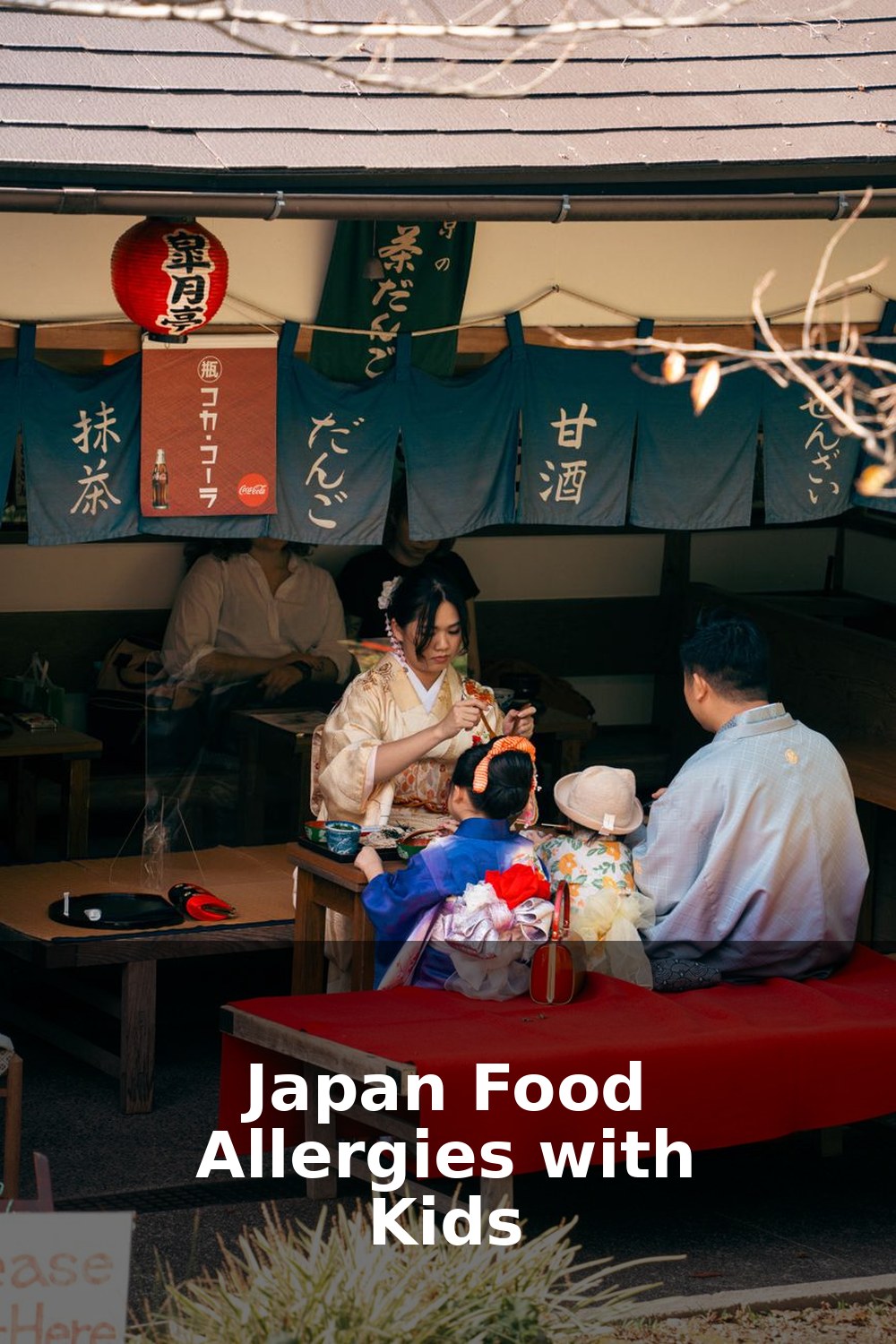
Traveling to Japan with kids who have food allergies requires careful planning and awareness, especially given the unique food culture. With the right information and preparation, you can keep your little ones safe while enjoying delicious Japanese cuisine.
- Understand Japan's allergy labeling laws.
- Find family-friendly restaurants with allergen menus.
- Communicate allergies effectively in restaurants.
Understanding Allergy Labeling in Japan
Japan’s Food Labeling Act mandates clear allergen labeling on packaged foods, and understanding this system is crucial for your family's safety. The mandatory allergens include:
| Category | Items |
|---|---|
| Mandatory Allergens | Eggs, Milk, Wheat, Buckwheat, Peanuts, Shrimp, Crab |
| Recommended Allergens | Almonds, Squid, Salmon Roe, Orange, Cashew Nuts, Kiwi, and more |
Allergens are typically listed after the ingredients, often in parentheses (e.g., "Ingredients (contains milk)"). Always be cautious about cross-contamination, especially in restaurants. If a menu or packaging notes that food is processed in facilities that handle allergens, it’s important to ask the staff for more information.
Dining Out with Children with Allergies
Eating out in Japan can be a delightful experience for families, but it’s important to choose restaurants that cater to food allergies. Here are some family-friendly spots known for their allergen-aware menus:
- Saizeriya: This casual dining chain offers low-allergen kids' plates, making it a popular choice for families.
- Coco's: Known for its kids' menu, Coco's provides low-allergen options like rice flour bread, which is a hit with kids.
- Gusto: Offers a variety of low-allergen menu items; check with the staff to see which items meet your needs.
- Tokyo Disney Resort: This iconic destination provides detailed allergen information for its restaurants. Be sure to check their official site for the latest updates.
For a family meal at a theme park, consider places like Legoland Japan, which also offers allergy-friendly dining options. Clear communication about your child’s allergies with the staff is essential; it’s wise to carry a translated allergy card to avoid any misunderstandings.
Traveling with Kids: Stroller Access and Facilities
Japan is recognized for its family-friendly environment, particularly regarding transportation and facilities. Here are some essential services:
- Stroller Rental: JR East offers a stroller rental service called Be-Cal at numerous stations. The first hour costs ¥250, and the maximum daily fee is ¥1,500. Reservations can be made up to 14 days in advance.
- Public Transportation: Most major train stations are equipped with elevators and accessible routes. You can bring strollers on buses without needing to fold them, and there’s no extra charge for this service.
- Nursing and Diaper Changing Facilities: Look for signs indicating "Baby Stations" (赤ちゃんの駅) throughout department stores and public facilities, which typically offer nursing rooms and changing stations at no cost.
Helpful Tips for Dining and Traveling in Japan
To ensure a smoother dining and traveling experience in Japan, keep these practical tips in mind:
- Learn a few key phrases in Japanese related to food allergies, such as "I am allergic to..." This can significantly help in communication.
- Be prepared for longer wait times; service can be slower than you might be accustomed to, especially in busy restaurants.
- Keep snacks handy for those inevitable "hangry" moments—consider it your travel insurance!
Book skip-the-line family tickets & experiences on Klook →
The tools you actually need: Japanese allergy phrases & a printable card
Knowing which chains are allergy-aware helps, but what keeps your child safe at the table is being able to communicate. Show the phrases below on your phone, or carry a printed card. Japanese reads top-down here so staff can read it directly.
| What you want to say (English) | Show this (Japanese) |
|---|---|
| My child has food allergies. | この子は食物アレルギーがあります。 |
| It is a severe allergy. Even a small amount is dangerous. | 重いアレルギーです。少しでも入ると危険です。 |
| Does this dish contain ___ ? | この料理に ___ は入っていますか? |
| Could you make it without ___ ? | ___ を抜いてもらえますか? |
| Please be careful about cross-contamination. | 調理のときに他の食材が混ざらないよう注意してください。 |
| We have an adrenaline auto-injector (EpiPen). | エピペン(アドレナリン注射)を持っています。 |
| Emergency: please call an ambulance (119). | 緊急です。119番に電話してください(救急車)。 |
Common allergens to write on your card (English → Japanese): egg 卵 (tamago) · milk 乳・牛乳 (gyūnyū) · wheat 小麦 (komugi) · buckwheat そば (soba) · peanut 落花生・ピーナッツ · shrimp えび (ebi) · crab かに (kani) · walnut くるみ (kurumi) · soy 大豆 (daizu) · sesame ごま (goma) · fish 魚 (sakana) · cashew カシューナッツ · kiwi キウイ · peach もも (momo) · apple りんご (ringo) · gelatin ゼラチン.
→ Open the free printable allergy card (fill in your child’s allergens, then print or save)
Japanese phrases are provided for communication only and are not medical advice. Japan’s labelling list changes (walnut became mandatory in recent years) — confirm the current mandatory and recommended allergens on the Consumer Affairs Agency site, and always speak with restaurant staff about your child’s specific needs.
Same trip, very different kids: tailoring by age
“Young children” covers a lot of ground. Here is how to adjust the pace and the picks by age — every child is different, so treat this as a starting point.
| Age | Pace & logistics | What tends to land |
|---|---|---|
| 0–2 (babies & toddlers) | Plan around naps — one main outing a day, then back for a midday rest. Bring or rent a stroller and use the nursing/diaper rooms in department stores and big stations. Under-6s ride trains free on a lap. | Parks and gardens, gentle animal encounters, sensory spots and short boat rides. Keep it low-key. |
| 3–5 (preschoolers) | Many still need a rest or a quiet hour. Short attention spans — build in downtime, keep snacks handy, and a stroller still helps on long days. | Character parks (Tokyo Disneyland over the bigger-ride DisneySea), aquariums, hands-on museums, train-spotting. |
| 6–12 (school age) | Can handle fuller days with breaks and more walking. They pay a child fare (about half) on trains and many attractions — and love being involved in choosing the day’s plan. | teamLab, theme parks with bigger rides, interactive and science museums, ramen- or food-making, a day trip by Shinkansen. |
Mixed ages? Anchor the day on the youngest child’s nap and energy, then add one “big-kid” activity the older ones will love.
FAQ
What allergens are required to be labeled in Japan?
The mandatory allergens include Eggs, Milk, Wheat, Buckwheat, Peanuts, Shrimp, and Crab.
Are there child-friendly restaurants with allergen menus?
Yes, family restaurant chains like Saizeriya and Gusto offer low-allergen menus.
How can I communicate my child's allergies in Japan?
Carrying a translated allergy card can be very helpful when dining out.
Is stroller rental available in Japan?
Yes, you can rent strollers at many JR East stations for a fee.
What are Baby Stations?
Baby Stations are facilities that offer nursing and diaper changing areas, commonly found in larger stores and public spaces.
How do I handle cross-contamination in restaurants?
Always ask about food preparation and consider any warnings on packaging or menus.
Can I find allergy-friendly options at theme parks?
Yes, many theme parks, including Tokyo Disney Resort, have allergen information available.
What should I pack for my child with allergies?
Pack snacks, a translated allergy card, and any necessary medications.
By understanding Japan's food labeling system and planning ahead, you can enjoy dining out while keeping your family safe and satisfied!