Navigating Japanese Etiquette with Kids in 2026
AI-generated guide, checked with an automated quality process. Details are linked to official sources where possible — always confirm before you travel. How we make these guides →
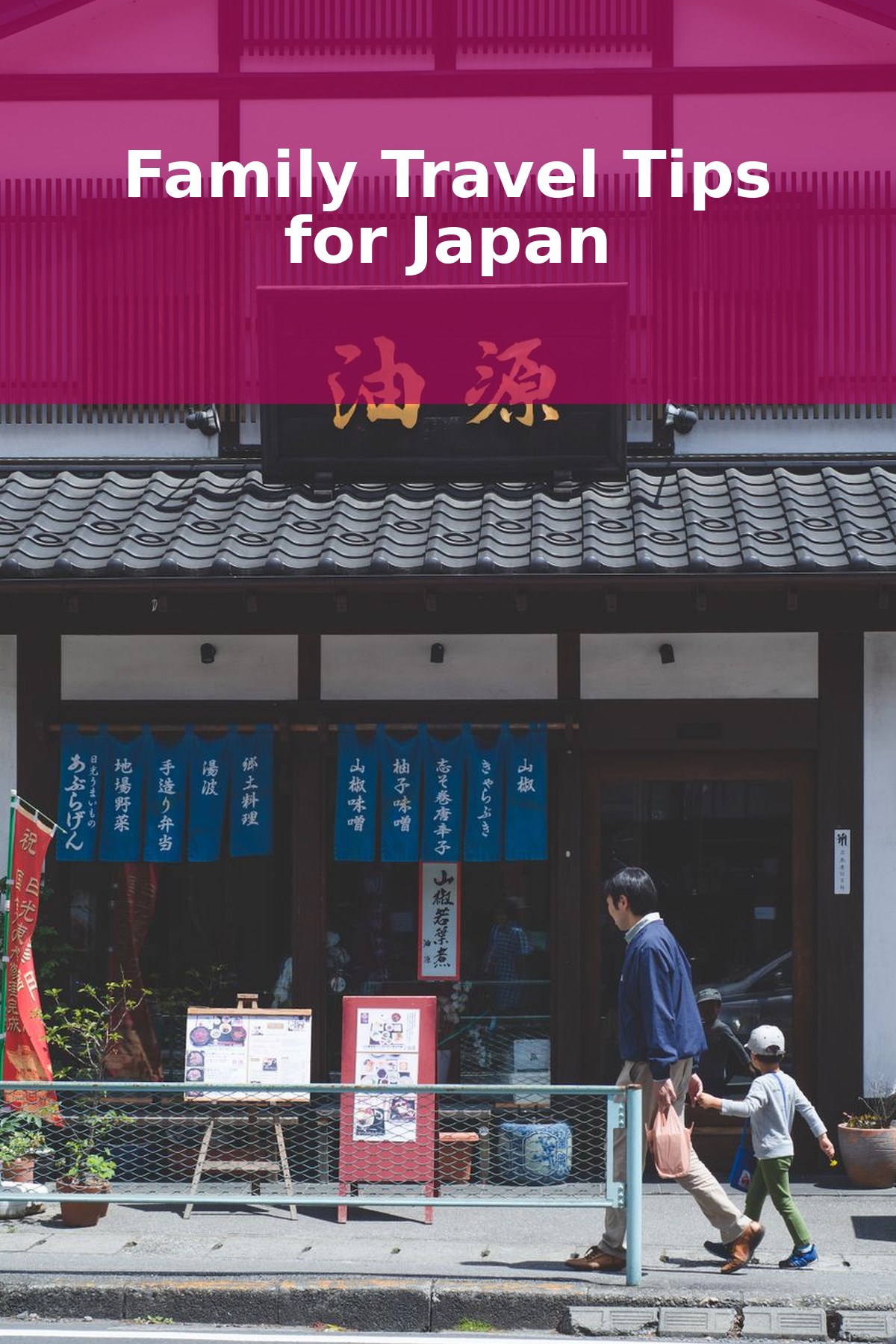
Photo by Esther on Pexels
Understanding Japanese etiquette is crucial for a smooth and enjoyable family travel experience in Japan. This guide provides essential tips for navigating local customs with kids in tow!
- Children under 6 often travel free on trains, but check specific rules if they occupy a reserved seat.
- Stroller access is available on many public transport systems, although be mindful of rush hour.
- Dining etiquette emphasizes supervising children's behavior and being respectful of restaurant policies.
- Free stroller rentals are available at major airports like Haneda and Narita.
- Nursing rooms are widely available in airports and metro stations, equipped with changing tables and nursing booths.
Transportation
Shinkansen (Bullet Train) and Train Fares: In Japan, children aged 6 to 11 (elementary school students) pay half the adult fare for both basic and limited express tickets. Infants and toddlers under 6 generally travel free unless they occupy a reserved seat, in which case a child's ticket is required. Always verify fare information on the official JR East website to avoid surprises during your trip (as of 2026, confirm on the official site).
Stroller Access and Rental: Strollers can usually be used unfolded on trains and buses, though it’s wise to avoid traveling during rush hour to minimize inconvenience for other passengers. In Tokyo, 145 out of 179 Metro stations are equipped with elevators, making travel easier with a stroller. If you find yourself at a station without an elevator, don’t hesitate to ask a station attendant for assistance with the 介助サービス (kaijo sābisu, assistance services). Airports like Haneda and Narita offer free stroller rentals. At Haneda, you can find them at information counters located in all three terminals, while Narita also has rentals available at Terminals 1, 2, and 3.
| Airport | Free Stroller Rental | Location |
|---|---|---|
| Haneda | Yes | Information counters in all terminals |
| Narita | Yes | Terminals 1, 2, and 3 |
Facilities for Families
Nursing Rooms and Diaper Changing Facilities: Both Haneda and Narita airports feature baby rooms complete with diaper changing tables, private nursing booths, and hot water dispensers for formula. Tokyo Metro stations also offer multi-function toilets equipped with diaper changing tables and baby chairs, making diaper duty a breeze when you're on the go.
Dining Etiquette
When dining out, it’s important to inform restaurants of any allergies or dietary restrictions at the time of reservation. Many establishments, such as Rihga Gran Kyoto, utilize food pictograms to indicate common allergens, making it easier to navigate dietary needs. Aim to arrive at least 10 minutes early to avoid disrupting the kitchen's workflow, especially for multi-course meals.
Children's Behavior: Parents should supervise their children closely, as loud noises or running around can be considered disruptive in Japanese dining settings. Outside food is generally not allowed, and diaper changes should only take place in designated baby rooms or multi-function toilets. Always check restaurant policies regarding children, as some may have specific guidelines displayed at the entrance.
General Public Etiquette
Japanese culture values quiet in public transport. Keep conversations low and use earphones for music to respect fellow passengers. Trash cans can be scarce, so it’s a good idea to carry your waste until you locate a bin. If you're entering a Japanese home or traditional inn, remember to remove your shoes at the genkan (entrance) and arrange them neatly.
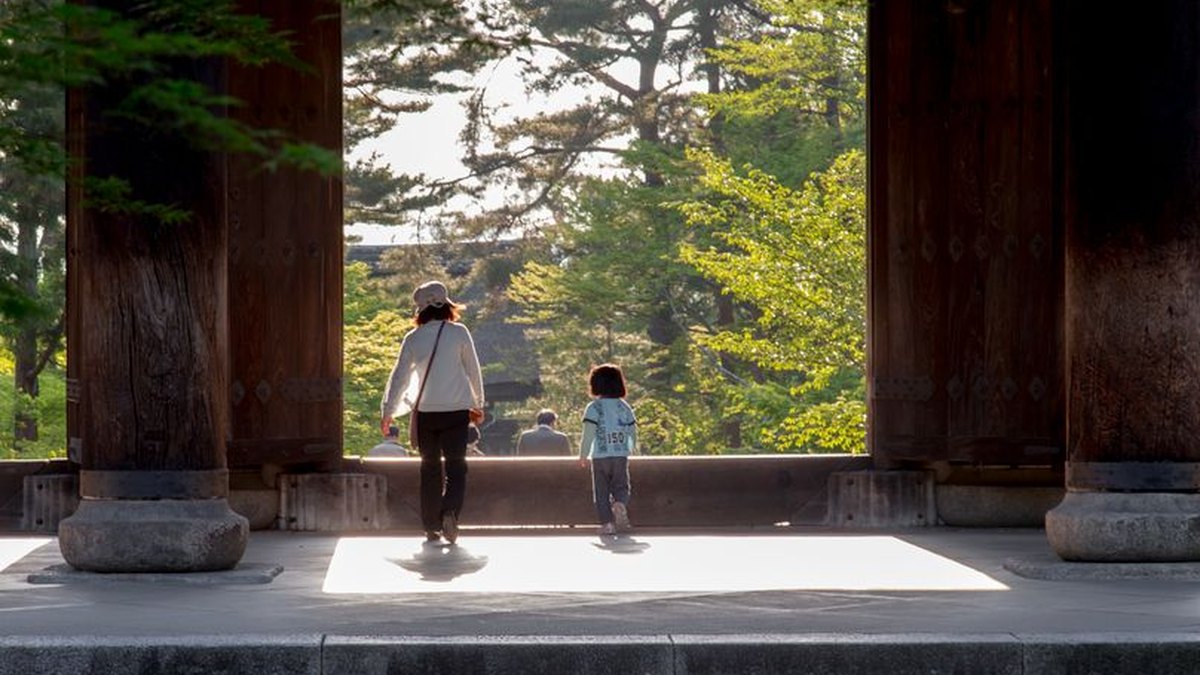
Shrines and Temples Etiquette: When visiting shrines or temples, bow lightly before passing through a torii gate. Teach your kids the hand-washing ritual at the chozuya and involve them in the experience by encouraging them to participate in making offerings, like tossing coins into the offering box.
Book skip-the-line family tickets & experiences on Klook →
FAQ
What are the best kid-friendly attractions in Japan?
Popular spots include Tokyo Disneyland, Universal Studios Japan, and Legoland Discovery Center, all designed to provide exciting experiences for young visitors.
Are there stroller rentals available in Japan?
Yes, airports like Haneda and Narita offer free stroller rentals, and many parks and attractions, such as Ueno Zoo, also have rental services available.
What should I pack for a trip to Japan with kids?
Essentials include comfortable footwear for walking, a variety of snacks for energy, a portable charger for devices, and a lightweight stroller or carrier for ease of transport.
How do I handle dietary restrictions while dining out?
Always inform the restaurant of any dietary needs at the time of reservation to ensure proper accommodations are made for your family.
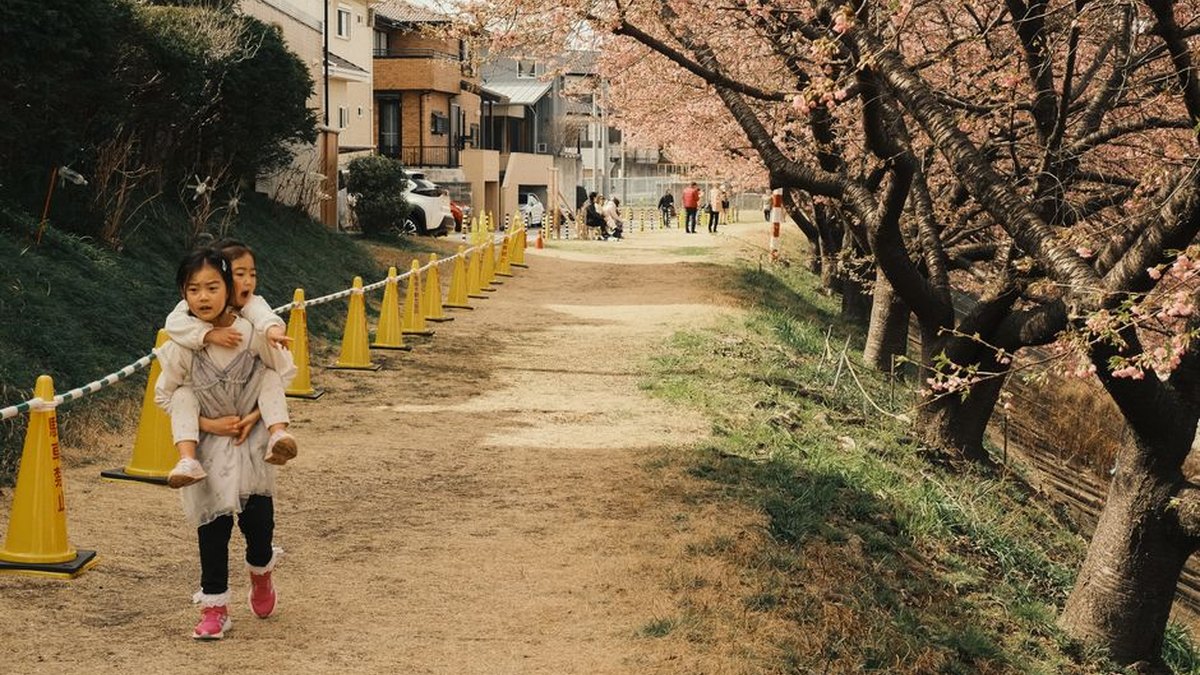
What is the etiquette for using public transport with kids?
Keep noise to a minimum and be mindful of crowded spaces, especially during rush hour. It's also respectful to offer your seat to elderly passengers or those in need.
Are there family-friendly restrooms available in Japan?
Yes, nursing rooms and multi-function toilets are available at major airports and metro stations, providing convenient facilities for families.
What is the tipping culture in Japan?
Tipping is not customary in Japan and can be considered rude. A polite thank you is appreciated instead of a monetary tip.
How can I make my trip more enjoyable for my kids?
Incorporate kid-friendly activities into your itinerary, such as amusement parks, interactive museums, and allow for downtime to recharge.
Understanding local customs can significantly enhance your family trip to Japan. From navigating public transport to dining out, being aware of these etiquette tips will help you create lasting memories with your children.