Navigating Kids' Minor Illnesses in Japan (2026)
AI-generated guide, checked with an automated quality process. Details are linked to official sources where possible — always confirm before you travel. How we make these guides →
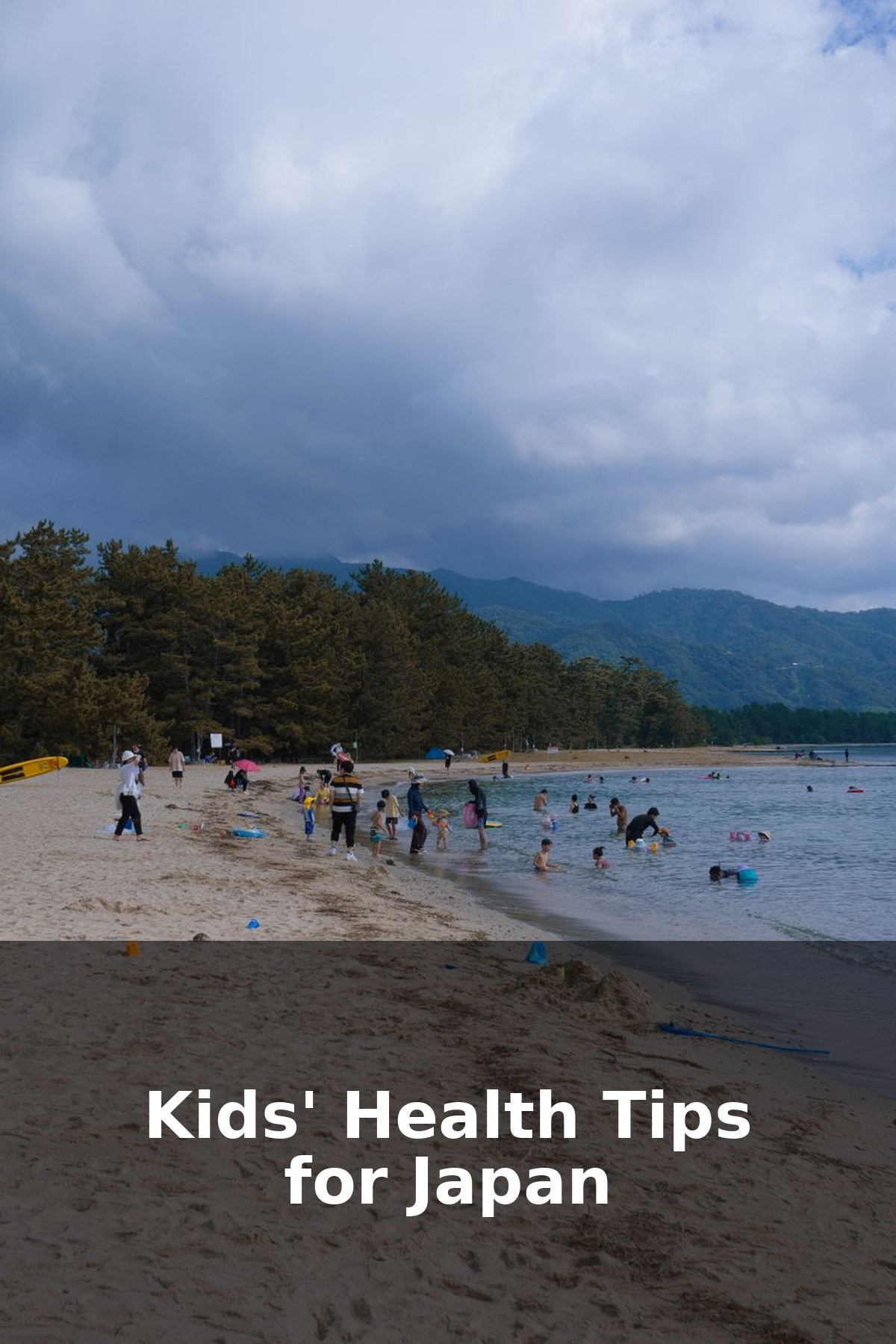
Photo by Huu Huynh on Pexels
If your child falls ill while visiting Japan, you can find the right medical care by knowing where to go and what to expect. Japanese clinics and pharmacies have systems in place to help families navigate minor illnesses, even amidst language barriers. Here's a guide to keep your little ones healthy and happy during your travels!
- Japanese clinics often require online appointments.
- Emergency hotlines provide guidance for parents.
- Medical costs for tourists are out-of-pocket, so insurance is crucial.
- Pharmacies may not stock familiar brands; bring lists of allergies.
- Access to nursing and diaper-changing facilities is widely available.
Clinics and Medical Care
Finding a Pediatrician (小児科): If your child has a non-emergency situation, clinics like Okubo Ekimae Hayashi Clinic (大久保駅前・林クリニック) accept foreign pediatric patients by online appointment only, prioritizing local residents. The Tokyo Station International Clinic (東京ステーションインターナショナルクリニック) is an excellent option for foreign visitors, offering English and Chinese-speaking staff, and is open daily from 9:00 AM to 9:00 PM (confirm on the official site). They can also assist with various overseas travel insurance claims and even offer hotel visit services for tourists.
For urgent pediatric care, the Ariake Children's Clinic Kachidoki Branch provides night consultations starting from 7:00 PM. The Kita Ward Children's Night Emergency Service is available for children aged 15 and under, operating Monday to Saturday from 8:00 PM to 10:45 PM (confirm on the official site). Remember to call ahead to confirm availability and services.
| Clinic Name | Location | Hours |
|---|---|---|
| Tokyo Station International Clinic | Tokyo Station | 9:00 AM - 9:00 PM |
| Ariake Children's Clinic | Kachidoki, Tokyo | From 7:00 PM |
| Kita Ward Night Emergency Service | Kita Ward, Tokyo | 8:00 PM - 10:45 PM |
Emergency & After-Hours Care: If you need guidance on whether your child requires medical attention, the nationwide Children's Medical Telephone Consultation hotline (#8000) is a valuable resource. In Tokyo, it operates Monday to Friday from 6:00 PM to 8:00 AM the following morning and 24 hours on weekends and holidays (confirm on the official site).
Should your child become too ill to fly, airlines typically require a medical certificate (診断書 - *shindansho*) from a doctor, confirming the child's unfit status for travel.
Pharmacies
Pharmacies in Japan are generally well-stocked, but familiar products may be less common. Always be prepared to communicate any allergies or specific medications your child may need. Bringing a translated list of allergies can be particularly helpful for pharmacists.
Allergy Labelling Rules: While specific mandatory allergy labeling rules for medications may not be widely available, pharmacists can provide information on whether a product is suitable for your child. If your child has severe allergies, be sure to discuss this with a healthcare provider.
Practical Tips for Parents
Nursing Rooms & Diaper-Changing Facilities: Japan is family-friendly, featuring numerous nursing and diaper-changing facilities. The Akachan Flat program in Tokyo identifies public spaces with nursing rooms, and as of June 17, 2026, there are over 1,600 registered locations. You can find these spaces on the Tokyo Kosodate Switch website.
The Mama Papa Map app allows you to search for nursing rooms and diaper-changing stations across Japan, providing details such as hot water availability. Look out for Akachan no Eki (赤ちゃんの駅 - Baby Station) locations for free access to nursing and changing facilities.
Stroller Access and Rental: If you're traveling with a little one, consider renting a stroller. Haneda Airport offers stroller rentals for ¥1,500 per day (as of 2026, confirm on the official site), while airlines such as JAL and ANA provide free strollers for use within the airport. Additionally, private rental companies offer stroller rentals with delivery options available for convenience.
| Rental Option | Location | Cost |
|---|---|---|
| Haneda Airport Rental | Terminal 1 | ¥1,500/day |
| Airline Stroller Rental | Check-in to boarding gate | Free |
| Private Rental Companies | Various locations | Varies |
Child Fares for Public Transportation: When using JR (Japan Railways), children under 1 year old travel free, while toddlers aged 1 to under 6 years pay a reduced fare of half the adult ticket price (as of 2026, confirm on the official site).
Book skip-the-line family tickets & experiences on Klook →
FAQ
What should I do if my child gets sick in Japan?
Visit a pediatric clinic or use the Children's Medical Telephone Consultation hotline (#8000) for guidance.
Are there English-speaking doctors in Japan?
Yes, clinics like the Tokyo Station International Clinic have English-speaking staff.
How much will medical care cost for tourists in Japan?
Foreign tourists must pay 100% of medical fees, as they are not eligible for Japan's public health insurance.
Where can I find nursing rooms in Japan?
The Akachan Flat program and the Mama Papa Map app can help you locate nursing and diaper-changing facilities.
Can I rent a stroller in Japan?
Yes, strollers are available for rent at airports and through private rental companies.
What documentation do I need if my child can't fly?
An official medical certificate stating the child is unfit to travel is required by airlines.
Are there any emergency services for children in Japan?
Yes, there are pediatric emergency clinics and a nationwide hotline for medical advice.
What should I do if my child has allergies?
Bring a translated list of allergies and discuss them with doctors and pharmacists.
In summary, being prepared with knowledge about clinics, pharmacies, and practical resources will make your family trip to Japan smoother, even when minor illnesses arise. It's always good to have travel insurance and a plan in place.