Ryokan Stays with Kids in Japan: Family Inns & Etiquette (2026)
AI-assisted guide, fact-checked against official and primary sources — not a sponsored stay. We don’t claim to have personally visited every place; we verify details, cite official sites, and flag anything you should confirm before you go. How we make these guides →
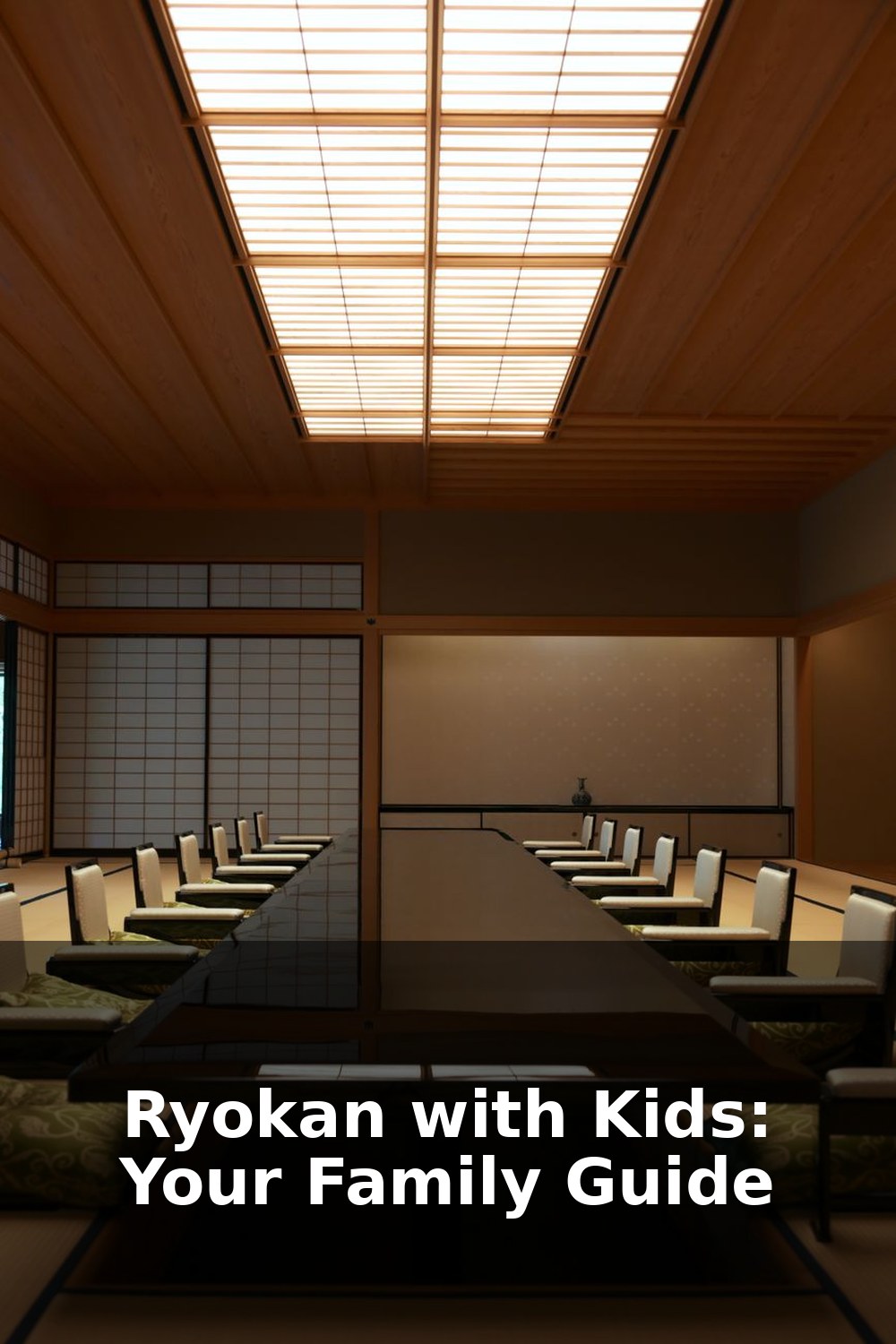
Photo by Liuuu _61 on Pexels
This guide may contain affiliate links. If you book or buy through them, we may earn a small commission at no extra cost to you.
When planning a ryokan stay in Japan with children, choosing a family-friendly inn and understanding their specific policies on child pricing and dietary needs well in advance are essential. Imagine your 3-year-old discovering the joy of tatami floors for the first time – it's magical, and a little preparation makes it genuinely delightful.TL;DR: Your Ryokan Stay with Kids
- Prioritize "Welcome Baby" certified ryokans for dedicated family facilities.
- Always confirm child age categories (A, B, C, D) and any "facility usage fees" for infants.
- Notify the ryokan of any allergies at least 7 days in advance; be aware of cross-contamination risks.
- Pack essentials like diapers, specific medicines, and familiar toiletries for your children.
- Communicate openly with the ryokan about your children's needs, from meals to bedding.
Choosing a Family-Friendly Ryokan for Your Japan Trip
Finding the right inn is crucial for a great ryokan stay with kids. While many ryokans are perfect for adult relaxation, a growing number warmly welcome families, sometimes even with special certifications.Look for accommodations certified as "Welcome Baby" (認定のお宿) by the Miki House Childcare Research Institute. These ryokans are specifically designed with families in mind, offering features that make travel with little ones much easier. Imagine:
- Child-Safe Rooms: Tatami-floored rooms mean shoe-free play and soft landings for tumbling toddlers.
- Baby Amenities: Low beds, baby food utensils, electric kettles (essential for formula!), and even bottle detergent can be found in rooms. Some plans even include complimentary baby wipes and toys, saving precious luggage space.
- Public Bath Comfort: For parents wanting to experience the traditional onsen, many "Welcome Baby" ryokans provide dedicated nursing spaces and baby beds within women's public baths.
- Private Bath Perks: Family-friendly private baths are often equipped with baby baths, baby chairs, baby body soap, and toys, making bath time a splash, not a struggle.
- Free Rentals & Provisions: Some certified inns go above and beyond, offering free diapers, free use of wet wipes, and handmade baby food. Stroller rental is also available at select locations, such as Vessel Hotel Fukuyama (as of 2026, confirm on the official site). Rental items like air purifiers and humidifiers might also be on offer.
Understanding Child Fares and Age Categories
Understanding ryokan pricing for children isn't as mysterious as it seems once you grasp the common categories. Child pricing isn't uniform; it varies significantly by accommodation and the specific plan you choose.Generally, junior high school students and older are charged as adults. It's not uncommon for some high-end ryokans to have an age minimum or simply not accept children at all. Always confirm before booking.
Japanese ryokans commonly use specific categories for children:
- Child A/B: These rates typically include both meals and bedding. The difference between A and B usually pertains to the content of the meal – perhaps Child A gets a "kids' kaiseki" and Child B a simpler "kids' plate" or even just onigiri.
- Child C: This category includes bedding but no meal. Perfect if your child is a picky eater or you plan to feed them separately.
- Child D: For infants, this category includes neither meals nor bedding. However, be prepared for a "facility usage fee" (施設利用料) which can often be several thousand yen (as of 2026, confirm on the official site). This fee covers the general use of the facilities, even if the infant isn't consuming resources like meals or bedding.
| Child Category | Meals Included? | Bedding Included? | Typical Age | Notes |
|---|---|---|---|---|
| Child A/B | Yes | Yes | Toddlers to Elementary | Meal content may differ. |
| Child C | No | Yes | Toddlers to Elementary | Good for picky eaters. |
| Child D | No | No | Infants (0-2 years) | Often incurs a "facility usage fee." |
| Adult Rate | Yes | Yes | Junior High & Older | Charged as full adult. |
Navigating Dietary Needs and Allergies
Mealtime at a ryokan is a highlight, but for families managing allergies, it requires careful planning. Many ryokans *attempt* to accommodate guests with allergies, particularly for the 8 "specified allergens" recognized in Japan: shrimp, crab, walnuts, wheat, soba, egg, milk, and peanuts. Accommodating other allergens is often not possible, so manage expectations.It’s important to understand that complete removal of allergens, especially trace amounts in extracts, broths, or binders, cannot be guaranteed due to shared kitchen environments where cross-contamination is a risk. For severe allergies, some ryokans may unfortunately have to refuse meal service for the guest's safety. Always consult with a medical professional regarding your child's specific allergies and safe food practices.
Guests with allergies must notify the ryokan at the time of reservation. Requests made less than 7 days before arrival may not be accommodated, as special ingredients or preparation takes time to arrange. For severe allergies, some ryokans may request guests to bring their own pre-packaged retort (shelf-stable, vacuum-sealed) foods, which the ryokan can warm up in their kitchen. Self-cooked food is typically not allowed for hygiene reasons.
Some ryokans are more equipped than others. For example, Kifunosato (as of 2026, confirm on the official site) explicitly states they offer specific meal modifications for common allergies such as egg/dairy (e.g., replacing egg/dairy items in kids' meals, providing soy-milk bread) or crustacean allergies (changing the main dish). They can also prepare dishes without soy sauce using alternative seasonings. Some also track a broader list of "20 items equivalent to specified allergens" like abalone, squid, beef, chicken, pork, fruits, and nuts. This level of detail shows their commitment, but thorough communication is always paramount.
Etiquette Reminders and Packing Essentials for Parents
A ryokan stay is a unique cultural experience, and a little preparation makes it more enjoyable for everyone. While you might be used to your toddler running wild, maintaining a respectful noise level, especially in shared areas, is appreciated. Remember to remove shoes before stepping onto tatami floors – a great rule to teach the kids!When packing for your ryokan adventure, remember these essentials:
- Diapers & Wipes: Bring sufficient disposable diapers and familiar brands of baby wipes. Japanese brands are excellent, but having your preferred ones ensures comfort.
- Sanitizers: Non-alcoholic sanitizers for infants are a good idea, especially after exploring.
- Changing Sheet: Public facilities may vary, so a portable diaper changing sheet is always handy.
- Basic Medicines: Pack any essential child-specific medicines, pain relievers, cooling sheets for fever, or disinfectant you might need. While pharmacies are available, language barriers can make specific requests challenging.
- Toiletries: While some facilities offer child amenities, it's wise to carry your own children's toothbrush, nail clippers, and any specific soaps or lotions.
- Health Documents: Always carry health insurance cards and, if you have one, your child's Mother-Child Health Handbook (母子手帳) in case of emergencies.
Making Your Reservation: A Checklist for Families
When booking your family ryokan, being explicit and thorough is essential. Don't leave anything to chance.- Child Count & Ages: Explicitly state the number and exact ages of all children, including infants. This is critical for accurate pricing and room allocation.
- Meal Requirements: Clarify if your children require meals. If so, specify the type (e.g., "kids' meal," or even "離乳食" - weaning food for babies). Confirm if the ryokan can prepare baby food, if parents can share their meal with a small child, or if bringing external baby food is permitted.
- Bedding & Baby Beds: Specify if your child needs their own futon bedding or if you require a baby bed (cot) for an infant.
- Facility Usage Fees: Always double-check the fine print regarding any "facility usage fees" for infants who do not require meals or bedding.
Same trip, very different kids: tailoring by age
“Young children” covers a lot of ground. Here is how to adjust the pace and the picks by age — every child is different, so treat this as a starting point.
| Age | Pace & logistics | What tends to land |
|---|---|---|
| 0–2 (babies & toddlers) | Plan around naps — one main outing a day, then back for a midday rest. Bring or rent a stroller and use the nursing/diaper rooms in department stores and big stations. Under-6s ride trains free on a lap. | Parks and gardens, gentle animal encounters, sensory spots and short boat rides. Keep it low-key. |
| 3–5 (preschoolers) | Many still need a rest or a quiet hour. Short attention spans — build in downtime, keep snacks handy, and a stroller still helps on long days. | Character parks (Tokyo Disneyland over the bigger-ride DisneySea), aquariums, hands-on museums, train-spotting. |
| 6–12 (school age) | Can handle fuller days with breaks and more walking. They pay a child fare (about half) on trains and many attractions — and love being involved in choosing the day’s plan. | teamLab, theme parks with bigger rides, interactive and science museums, ramen- or food-making, a day trip by Shinkansen. |
Mixed ages? Anchor the day on the youngest child’s nap and energy, then add one “big-kid” activity the older ones will love.
FAQ
What does "Welcome Baby" certification mean for a ryokan?
"Welcome Baby" certified ryokans, often by Miki House Childcare Research Institute, are specifically designed to be family-friendly, offering amenities like tatami rooms, low beds, baby food utensils, and sometimes dedicated nursing spaces or private baths with baby facilities.How are children typically charged at a ryokan?
Child pricing varies by age and what's included. Junior high students and older are usually charged as adults. Younger children might fall into categories like Child A/B (meals & bedding), Child C (bedding only), or Child D (infants, neither meals nor bedding but often a "facility usage fee").Can ryokans accommodate children with food allergies?
Many ryokans *attempt* to accommodate common allergens (like the 8 specified in Japan) if notified at least 7 days in advance. However, cross-contamination cannot be guaranteed, and for severe allergies, guests may be asked to bring their own pre-packaged food or, in rare cases, meal service might be refused for safety.Do I need to pack diapers and baby wipes?
Yes, it's highly recommended to bring a sufficient supply of your preferred brand of disposable diapers and baby wipes, as specific brands might be hard to find, and availability at the ryokan can vary.Are there special bathing rules for children in ryokan public baths?
Children are generally welcome in public baths, but they should be respectful of other guests. Ensure they wash thoroughly before entering the main bath. Some "Welcome Baby" ryokans provide baby beds or chairs in women's public baths.Is it okay for my child to run around in the ryokan?
Ryokans are often peaceful environments. While tatami rooms are safe for play, parents are encouraged to ensure children maintain a respectful noise level, especially in corridors and shared areas, to avoid disturbing other guests.What's a "facility usage fee" for infants?
This is a common charge for infants (Child D category) who don't require meals or bedding. It covers the general use of the ryokan's amenities and services, even if the infant isn't directly consuming food or using a futon.A little research and clear communication with your ryokan will ensure a comfortable and memorable cultural experience for everyone involved.
This guide may contain affiliate links. If you book or buy through them, we may earn a small commission at no extra cost to you. As an Amazon Associate we earn from qualifying purchases. We only recommend things we believe genuinely help your family's trip.
This guide is written with AI and edited for clarity. Last updated: 2026-08-11. Prices, opening hours and rules change often — please confirm details on the official site before you travel. How we make these guides →