Ryokan with Kids: Family Stays in Japan (2026 Guide)
AI-assisted guide, fact-checked against official and primary sources — not a sponsored stay. We don’t claim to have personally visited every place; we verify details, cite official sites, and flag anything you should confirm before you go. How we make these guides →
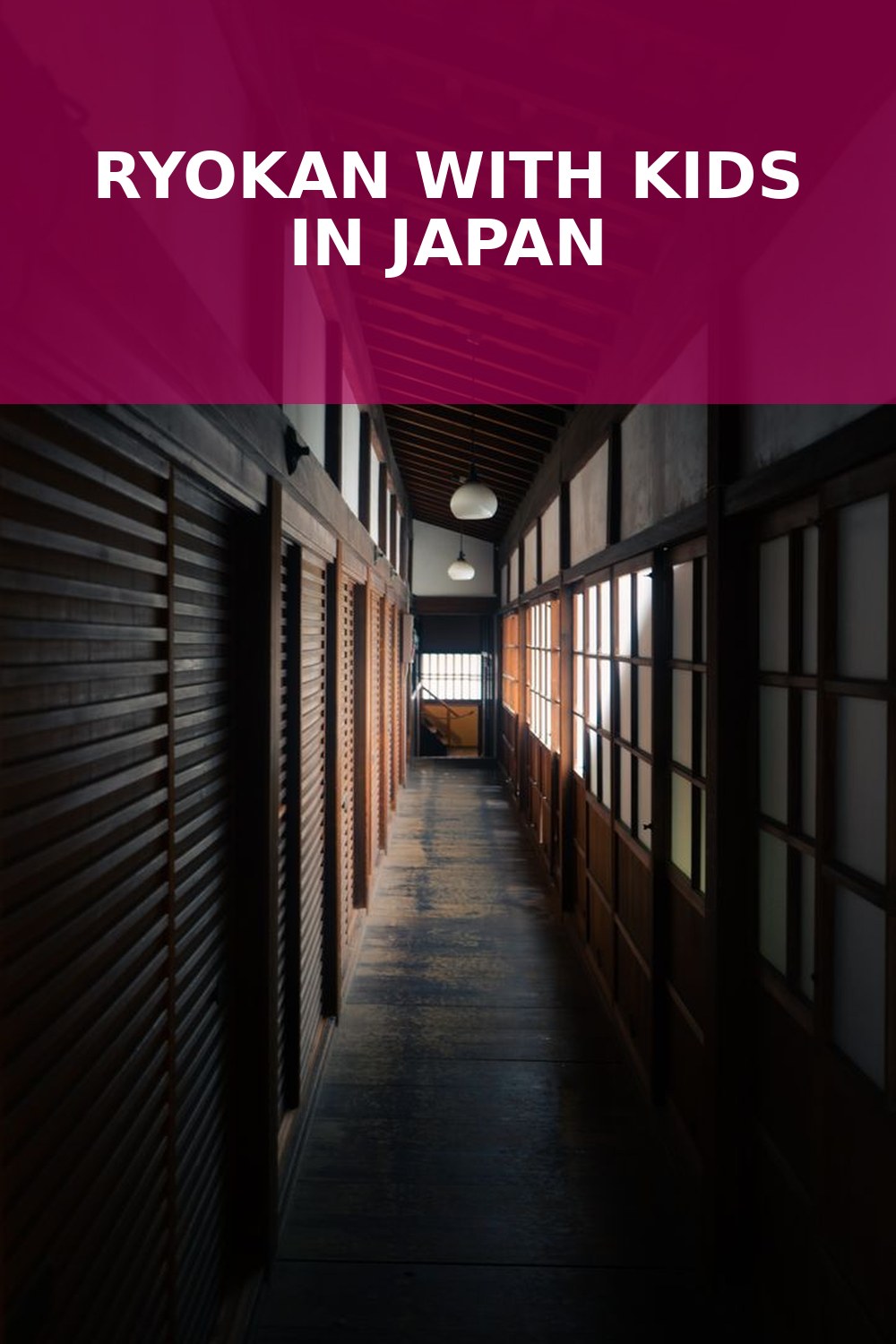
Photo by Lucas Calloch on Pexels
A ryokan stay with kids in Japan is a truly special family adventure, blending traditional hospitality with unique comforts – perfect even when a jet-lagged toddler needs a midnight mini-fridge raid. The secret to a smooth, joyful visit? Know the child policies, check facilities, and understand services, especially at family-friendly ryokans ready to welcome your little ones.
- Many ryokans offer free co-sleeping for infants, but facility usage fees may apply for preschoolers.
- "Welcome Baby Accommodations" are certified by Mikihouse and often have dedicated nursing rooms, changing stations, and baby-friendly amenities.
- Stroller access can be challenging in older ryokans; confirm elevator availability and designated parking areas in advance.
- Inform the ryokan of any food allergies 3-5 days prior to arrival for meal accommodation.
- Always specify children's ages and needs (meals/bedding) when booking to ensure correct pricing and room allocation.
Child Fares and Pricing: What to Expect for Your Little Travelers
Figuring out child pricing at a ryokan can seem tricky, since policies vary wildly between places and even within different plans at the same spot. Don't expect a simple 'kids stay free' — it's usually more nuanced.
Infants, Toddlers, and Co-sleeping
Many ryokans do offer free co-sleeping (添い寝) for the youngest guests, typically up to ages 2 or 6. However, don't be surprised if a "facility usage fee" (施設使用料) pops up for preschoolers (e.g., children aged 3 and older) even if they aren't using a separate bed or meal. This fee covers general amenities and utilities for their presence. For example, some Kyoritsu Resort properties offer family plans, such as 1 night with 2 meals for 2 adults in a 14-tatami mat Japanese room for ¥37,400 to ¥39,800 (tax included, as of 2026, confirm on the official site), with special child rates applied on top of the base adult fare.
Elementary School and Junior High Children
Elementary school-aged children are usually eligible for specific child rates. These often amount to a percentage of the adult fare or a fixed, reduced amount, and typically include both meals and bedding. For children from junior high school age upwards, it's generally expected they will be charged adult rates.
Understanding Child Categories (JTB Example)
Booking platforms like JTB often simplify these nuances into categories:
| Category | Description |
|---|---|
| Child A | Includes meals (adult-like) & bedding |
| Child B | Includes meals (child-specific) & bedding |
| Child C | Includes bedding only |
| Child D | Infants without meals or bedding (facility usage fee may apply) |
When booking, always specify the exact number of children and their ages. Listing them incorrectly or not detailing their needs (like meals or bedding) can lead to unexpected charges or issues upon arrival. Also, be mindful of room occupancy limits; exceeding the maximum even with co-sleeping infants can lead to reservation rejections due to fire safety rules.
Nursing Rooms and Diaper-Changing Facilities: Essential Comforts
For parents with little ones, dedicated nursing and changing facilities are a godsend, and Japan's family-friendly ryokans often shine here. Start by seeking out "Welcome Baby Accommodations" (ウェルカムベビーのお宿), certified by the Mikihouse Child-Rearing Research Institute after rigorous evaluation on over 100 child-friendliness criteria.
- Dedicated Facilities: Many of these certified ryokans have dedicated nursing rooms (授乳室) and diaper-changing stations (おむつ交換台).
- Specific Example: At the Ikedenohira Hotel (Shirakaba Resort), you can find nursing rooms on the 1st floor (conveniently within the women's restroom) and on the 3rd floor (next to the Konboko Room). Multi-purpose restrooms on both the 1st and 3rd floors are equipped with diaper changing stations, private nursing spaces, and "baby keepers" (those handy devices that secure an infant while you attend to something else). They even have staff qualified as "baby concierges" available for consultations, offering expert help for all your baby-related needs.
- Communal Bath Amenities: Even in communal baths, many facilities offer family-friendly changing areas, often including baby beds and bouncers. It makes that post-onsen routine much less of a wrestle.
- Room Amenities: Many child-friendly accommodations thoughtfully provide diaper trash bins, and some go the extra mile by offering free diapers and wipes, or at least having them available for purchase if you've run out (because who hasn't been there?).
Stroller Access and Rental: Navigating with Wheels
Your trusty stroller, a lifesaver in airports and city streets, might encounter some hurdles in traditional Japanese ryokans. Older buildings, often charming wooden structures, can be a labyrinth of stairs with no elevators, making stroller access a real workout. Imagine wrestling it up three flights with a tired toddler – definitely not ideal!
Some ryokans may also request that strollers be left in the lobby rather than brought into guest rooms, usually due to space limitations within the often-compact traditional rooms. So, if your stroller is a non-negotiable part of your travel plan, a quick check-in with the ryokan directly is a smart move. Ask about elevator availability, room accessibility, and any designated stroller parking areas.
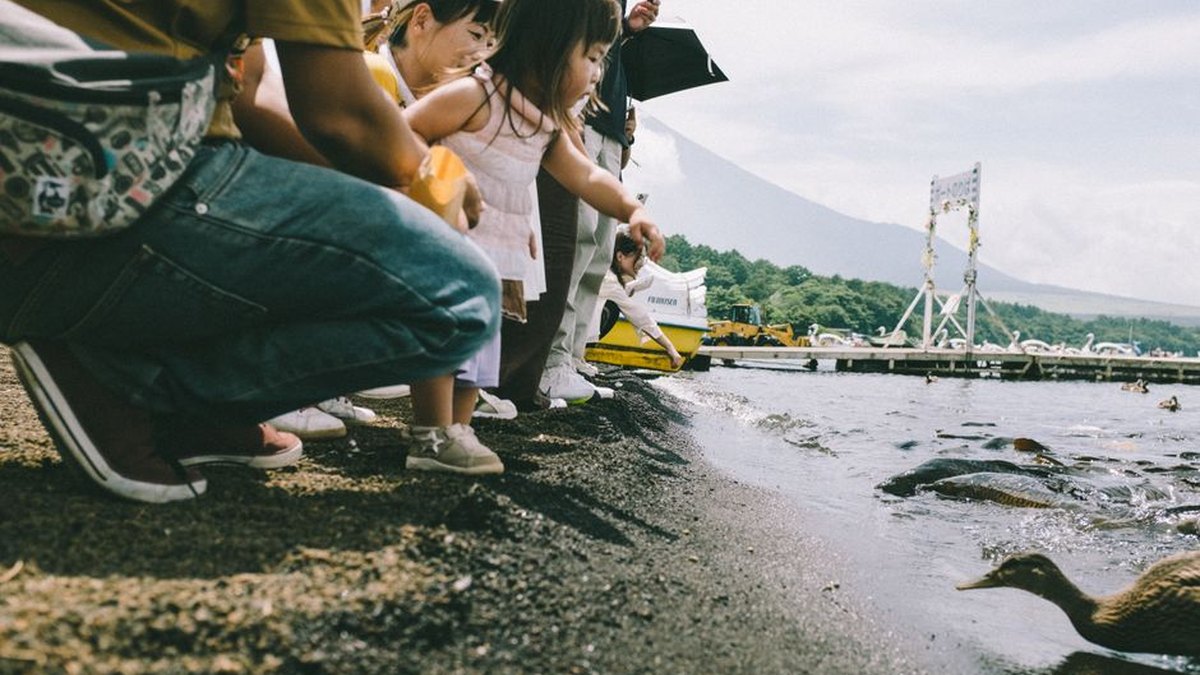
On the brighter side, some larger ryokan-style hotels or resorts offer stroller rentals for use within their premises. For example, Yu-no-Mori Hotel Shidaira offers stroller rental for moving around their grounds, which can be a lifesaver. You can also explore Book skip-the-line family tickets & experiences on Klook for other travel essentials and activities in Japan.
Allergy Support: Dining Safely with Dietary Needs
Food allergies require careful planning for any family trip, but many Japanese ryokans are surprisingly flexible if you give them enough notice. Reach out 3 to 5 days before you arrive; this gives the kitchen staff plenty of time to prepare alternative dishes and ensure your family dines safely.
Detailed Communication for Clarity
When you communicate about allergies, specificity is your best friend. Be ready to provide exact details: what the allergen is, the severity of the reaction, and whether even trace amounts are problematic. For instance, explaining "cannot eat even if it's used as a binding agent, but can eat if cooked thoroughly" is much more helpful than a generic "no dairy." Some facilities might even provide allergy charts for their buffet or restaurant menus to help you choose safely.
Customization in Action
- Kifu no Sato (Okayama): This ryokan offers impressive flexibility. They can adapt children's lunch menus to remove eggs and dairy and can provide soy milk bread for breakfast upon request. They even extend their catering to various dietary restrictions beyond allergies, including vegetarian, vegan, and specific health-related diets.
It’s important to acknowledge limitations. While many ryokans are accommodating, some may state that they cannot fully guarantee allergen-free meals for severe cases or cannot accommodate breakfast allergies due to the nature of their buffet-style offerings. If your child has severe allergies, it's always recommended to confirm their emergency procedures, including the nearest hospital with pediatric emergency care. For any specific health concerns, always consult with your doctor or official health guidance.
Reservation Steps for Families: Getting it Right
Booking a ryokan with kids means being a little more precise than an adult-only reservation. Japanese online travel agencies (OTAs) and ryokan websites have specific fields for children – use them carefully to get it right.
- Specify Child Details: Always use the specific fields to enter the number of children, their ages, and whether they require meals or bedding. Resist the urge to simply book for adults and add children in the comments section; this can lead to incorrect pricing, an ill-suited room, or even a rejected booking.
- Facility Questions: Some booking forms include optional "questions from the facility" (施設からの質問欄). This is your chance to proactively provide children's ages, dietary needs, or any other important details. It helps the ryokan prepare for your family's arrival, smoothing out your check-in.
- Direct Contact for Special Needs: For highly specific requests – severe allergies, multiple children of varying ages needing different arrangements, or unusual bedding setups – it’s often best to contact the ryokan directly via phone or email. Do this after making an initial reservation (if the website allows) to confirm all needs can be met.
- Room Capacity: Remember that the legal maximum capacity of a room applies to everyone, even if children are co-sleeping. If the total number of people (adults + children needing separate beds/meals + co-sleeping children) exceeds the stated capacity, your booking might be rejected.
When you're ready to book, remember to Find family rooms & kid-friendly stays in Japan through reputable booking platforms.
Other Family-Friendly Facilities and Services: Making Stays Special
Many family-focused ryokans and resorts offer more than just the essentials, creating truly special stays for both parents and kids.
- Kids' Play Areas: Dedicated indoor or outdoor play spaces are increasingly common.
- Hotel Epinal Nasu: Offers a "Forest Area" with animal interaction and indoor "Baby & Kids Floor" rooms designed for little ones.
- Yu-no-Mori Hotel Shidaira: Features "Oka no Hiroba / Asobi no Mori" kids' space, complete with wooden toys and books, and an indoor heated pool – perfect for rainy days.
- Tateshina Grand Hotel Takinoyu: Boasts a "Tateshina Kids Park" suitable for ages 0 and up, with separate zones for babies, educational toys, and even athletic play.
- Private Baths (貸切風呂): A godsend for families! Many ryokans offer private family baths, ideal if your little ones aren't comfortable in public communal baths, or if you simply want a relaxing, private soak together. Some are free, while others are chargeable and may require advance booking. Don't miss this opportunity for a truly relaxing family moment.
- Kids' Amenities: Accommodations certified as "Welcome Baby" often provide a suite of helpful amenities. Think baby baths, baby chairs, baby bottle sterilizers, bed guards (for those wriggly sleepers), and even child-sized yukata (traditional robes) for that perfect family photo. Some even stock rooms with toys and picture books, ensuring a touch of home comfort.
- Outdoor Pools/Activities: Larger resorts often feature seasonal outdoor pools and other activities, with varying operating hours and accessibility.
Same trip, very different kids: tailoring by age
“Young children” covers a lot of ground. Here is how to adjust the pace and the picks by age — every child is different, so treat this as a starting point.
| Age | Pace & logistics | What tends to land |
|---|---|---|
| 0–2 (babies & toddlers) | Plan around naps — one main outing a day, then back for a midday rest. Bring or rent a stroller and use the nursing/diaper rooms in department stores and big stations. Under-6s ride trains free on a lap. | Parks and gardens, gentle animal encounters, sensory spots and short boat rides. Keep it low-key. |
| 3–5 (preschoolers) | Many still need a rest or a quiet hour. Short attention spans — build in downtime, keep snacks handy, and a stroller still helps on long days. | Character parks (Tokyo Disneyland over the bigger-ride DisneySea), aquariums, hands-on museums, train-spotting. |
| 6–12 (school age) | Can handle fuller days with breaks and more walking. They pay a child fare (about half) on trains and many attractions — and love being involved in choosing the day’s plan. | teamLab, theme parks with bigger rides, interactive and science museums, ramen- or food-making, a day trip by Shinkansen. |
Mixed ages? Anchor the day on the youngest child’s nap and energy, then add one “big-kid” activity the older ones will love.
FAQ
Do all ryokans welcome children?
Not all ryokans are equally child-friendly. Traditional, high-end ryokans focusing on quiet adult retreats may not be suitable. Look for "Welcome Baby Accommodations" or those explicitly advertising family plans and facilities.
Is a ryokan stay with a baby feasible?
Yes, many ryokans are well-equipped for babies, offering amenities like baby baths, sterilizers, and bed guards. Always confirm specifics directly with the ryokan and inquire about private bath availability.
How far in advance should I book a ryokan with kids?
It's best to book family-friendly ryokans several months in advance, especially for peak seasons, as rooms with child-specific amenities or capacity can fill quickly.
What is a "facility usage fee" for children?
This is a charge some ryokans apply for children, typically preschoolers, even if they don't use a separate bed or meals, covering general use of the ryokan's amenities and utilities.
Can ryokans accommodate severe food allergies?
Many ryokans can accommodate food allergies with advance notice (3-5 days). Provide detailed information about the allergen and its severity. For severe cases, confirm emergency procedures and the nearest hospital.
Are strollers easy to use in all ryokans?
No. Older ryokans with many steps and no elevators can be challenging for strollers. Always confirm elevator access and designated stroller parking if your stroller is essential.
Do kids usually get special meals at ryokans?
Yes, ryokans often offer specific children's meals (Child B category) or can adapt menus upon request for dietary needs. Junior high-aged children typically receive adult meals.
Are private baths (貸切風呂) available at most family ryokans?
Many family-friendly ryokans offer private baths, which are ideal for families. Some are free, others incur a charge and may require advance booking.
Choosing the right ryokan and clearly communicating your family’s needs will pave the way for a truly memorable and relaxing traditional Japanese experience for everyone.