Stroller-Friendly Tokyo: Family Travel Tips for 2026
AI-assisted guide, fact-checked against official and primary sources — not a sponsored stay. We don’t claim to have personally visited every place; we verify details, cite official sites, and flag anything you should confirm before you go. How we make these guides →
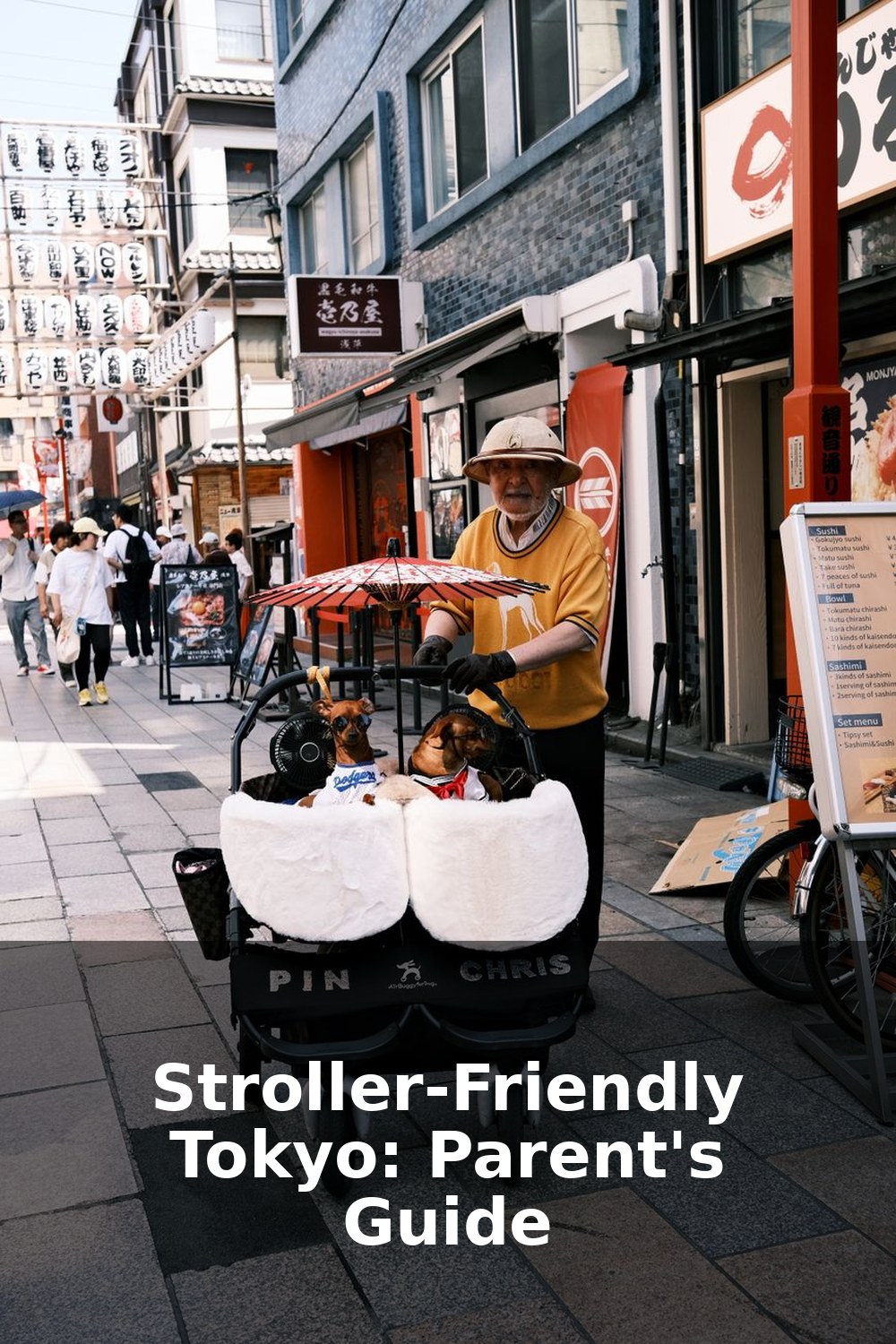
Tokyo is a surprisingly stroller-friendly city, making it easier for parents traveling with little ones. With wide sidewalks and accessible public transport, navigating the bustling metropolis with a stroller can be a breeze. Just be prepared for snack breaks every five minutes from your toddler!
- Public transport in Tokyo is mostly stroller accessible.
- Many parks and attractions cater to families.
- Baby gear rentals can lighten your load.
- Local stores provide essential items for young families.
- Dining options are diverse and family-friendly.
When you think of Tokyo, the vibrant streets, neon lights, and rich culture come to mind. However, families will find that the city is accommodating for those with strollers. With some planning, you can explore Tokyo without the stress of navigating around obstacles. Below are tips to ensure your visit is enjoyable, safe, and filled with fun for the whole family.
Getting Around: Public Transport
Tokyo's public transport system is famous for its efficiency and is largely stroller-friendly. Most subway stations are equipped with elevators, although some may require additional walking. The Toei Subway and Tokyo Metro lines are particularly accommodating. For example, Shinjuku Station, one of the busiest in the world, has multiple elevators to assist travelers with strollers.
| Transport Type | Accessibility | Approx. Cost |
|---|---|---|
| Subway | Elevators at most stations | ¥170-¥500 |
| Buses | Low-floor buses available | ¥210 |
| Taxi | Consider booking a taxi with a child seat | Varies |
For smoother travels, you can also rent a stroller, car seat & baby gear in Japan. This way, you don’t have to worry about lugging your gear from home.
Kid-Friendly Attractions
Tokyo is filled with attractions that are perfect for families. Here are a few must-visit spots that are stroller accessible and provide a fun experience:
- Ueno Zoo: With wide paths and plenty of shade, this zoo is perfect for a family day out. Admission is ¥600 for adults (as of 2026, confirm on the official site).
- Tokyo Disneyland: This iconic theme park is designed with families in mind. They provide stroller rentals and have spacious walkways throughout the park.
- Odaiba: An entertainment hub that includes shopping malls and parks, Odaiba is easy to navigate on foot, with ample stroller-friendly paths.
- Sumida Aquarium: Located in the Tokyo Skytree Town, it’s a fantastic place to introduce your little ones to marine life, with plenty of interactive exhibits.
Be sure to check each location's website for the latest visitor information, including any changes to access or pricing.
Food Options for Families
Dining out in Tokyo offers a delightful variety suitable for families. From ramen shops to family restaurants, you’ll find something to satisfy even the pickiest eaters. Here are some suggestions:
- Family Restaurants: Chains like Gusto or Saizeriya provide a wide range of kid-friendly meals in a casual setting. Expect to find dishes like spaghetti, pizza, and Japanese curry.
- Convenience Stores: Ready-to-eat meals, snacks, and even baby food are available at convenience stores like 7-Eleven and FamilyMart, making it easy to grab something nutritious on the go.
- Food Courts: Shopping malls often feature food courts with various options that can cater to different tastes. This is a great way to grab a quick meal while keeping everyone satisfied!
Don’t forget to carry some snacks—those little tummies can get grumpy if they’re not filled with the right fuel!
Shopping for Baby Gear
While shopping in Tokyo, you might need baby essentials. Stores like Akachan Honpo and Nishimatsuya are excellent choices, offering everything from diapers to baby clothes. Akachan Honpo is known for its wide selection of maternity, baby, and kid's items, while Nishimatsuya focuses on affordable clothing and gear.
Both stores are conveniently located across the city, and you can easily find the nearest one using your smartphone's map app. It’s wise to check their websites for any special promotions or new product lines (as of 2026, confirm on the official site).
Safety Tips
Tokyo is generally a safe city, but it’s always a good idea to be prepared when traveling with kids. Here are some tips:
- Keep a close eye on your child in busy areas like Shibuya Crossing, where crowds can be overwhelming.
- Consider using child harnesses if your child tends to wander off.
- Familiarize yourself with emergency numbers: 110 for police, 119 for fire and ambulance services.
In case of any health concerns, it’s best to consult a local doctor or visit a hospital. Many hospitals have English-speaking staff available to assist international visitors.
Same trip, very different kids: tailoring by age
“Young children” covers a lot of ground. Here is how to adjust the pace and the picks by age — every child is different, so treat this as a starting point.
| Age | Pace & logistics | What tends to land |
|---|---|---|
| 0–2 (babies & toddlers) | Plan around naps — one main outing a day, then back for a midday rest. Bring or rent a stroller and use the nursing/diaper rooms in department stores and big stations. Under-6s ride trains free on a lap. | Parks and gardens, gentle animal encounters, sensory spots and short boat rides. Keep it low-key. |
| 3–5 (preschoolers) | Many still need a rest or a quiet hour. Short attention spans — build in downtime, keep snacks handy, and a stroller still helps on long days. | Character parks (Tokyo Disneyland over the bigger-ride DisneySea), aquariums, hands-on museums, train-spotting. |
| 6–12 (school age) | Can handle fuller days with breaks and more walking. They pay a child fare (about half) on trains and many attractions — and love being involved in choosing the day’s plan. | teamLab, theme parks with bigger rides, interactive and science museums, ramen- or food-making, a day trip by Shinkansen. |
Mixed ages? Anchor the day on the youngest child’s nap and energy, then add one “big-kid” activity the older ones will love.
FAQ
Is public transport in Tokyo stroller-friendly?
Yes, most trains and buses are accessible with elevators and designated stroller areas.
What should I pack for a trip to Tokyo with a baby?
Essentials include diapers, wipes, snacks, a change of clothes, and a lightweight stroller.
Are there baby-changing facilities in Tokyo?
Yes, many public restrooms, shopping centers, and attractions offer baby-changing stations.
Can I rent a stroller in Tokyo?
Yes, stroller rentals are available at various locations, making it easy to travel without your own gear.
What are some kid-friendly dining options in Tokyo?
Family restaurants and convenience stores offer a variety of meals suitable for children.
Is it safe to walk around Tokyo with a stroller?
Yes, Tokyo is very safe, but be cautious in crowded areas.
How do I find baby gear stores in Tokyo?
Use your smartphone to locate stores like Akachan Honpo and Nishimatsuya nearby.
What’s the best time to visit Tokyo with kids?
Spring (March to May) and autumn (September to November) offer mild weather and beautiful scenery.
Traveling with a stroller in Tokyo can be a delightful experience with the right preparation. From fun attractions to family-friendly eateries, the city is brimming with opportunities for family adventures.