Visiting Temples and Shrines in Japan with Kids (2026)
AI-assisted guide, fact-checked against official and primary sources — not a sponsored stay. We don’t claim to have personally visited every place; we verify details, cite official sites, and flag anything you should confirm before you go. How we make these guides →
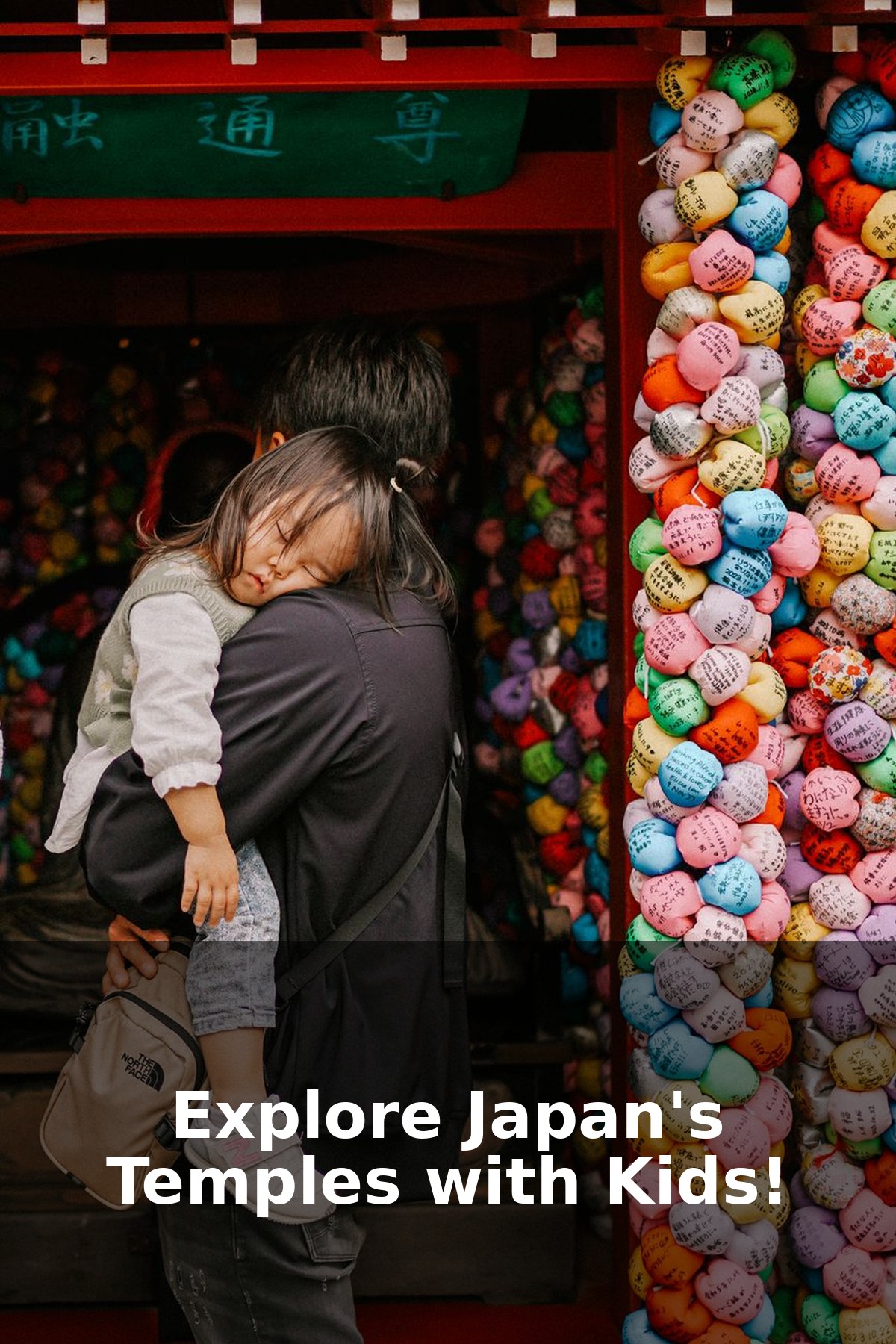
Photo by Kristina Mitina on Pexels
Visiting temples and shrines in Japan with kids can be a wonderful adventure filled with cultural insights and unique experiences. To make the most of your family trip, consider these practical tips and specific recommendations that cater to families.
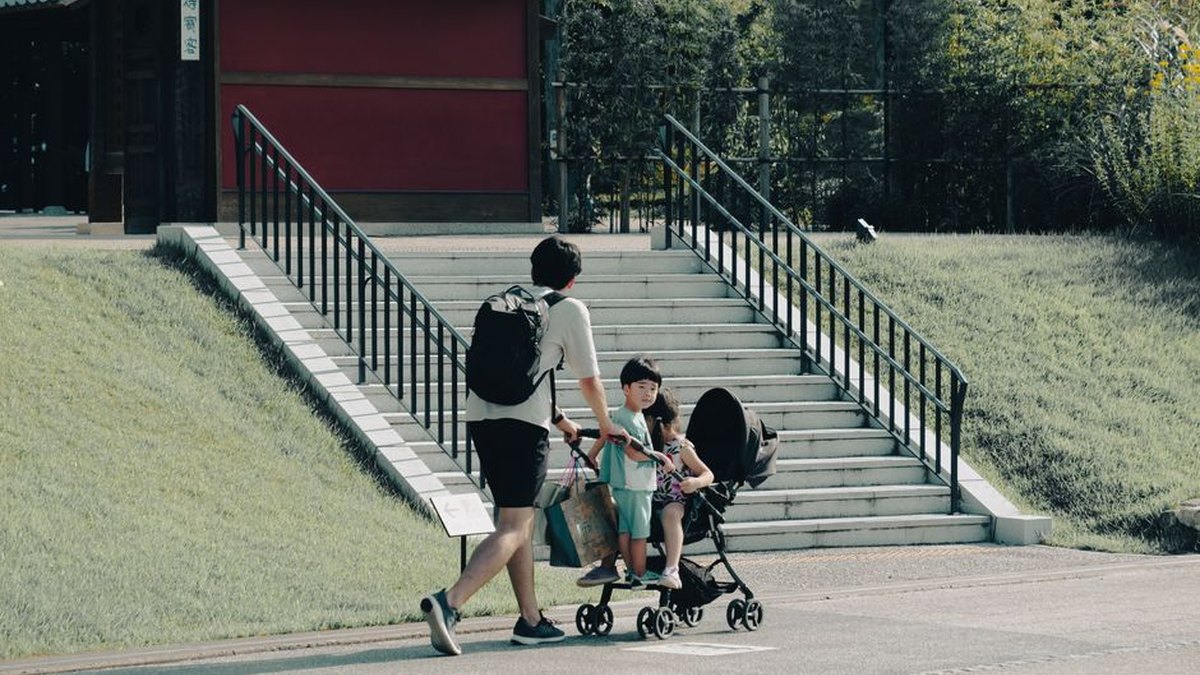
- Stroller access can be limited; baby carriers are often a better choice for navigating some sites.
- Many temples and shrines provide family-friendly facilities, including nursing rooms and diaper changing stations.
- Child fares are available at many major attractions.
- Visiting during off-peak times, such as early mornings or late afternoons, can help you avoid crowds.
- Teaching kids basic etiquette, such as bowing at torii gates, enhances their experience and shows respect for local traditions.
Concrete Practical Specifics for Visiting Temples and Shrines
Todai-ji (Nara)
Todai-ji, famous for its Great Buddha statue, is an excellent destination for families. Entrance fees are 800 yen for adults and 400 yen for elementary school students. A combined ticket for the Great Buddha Hall and the Todai-ji Museum is available for 1,200 yen for adults and 600 yen for children. The temple is open from 7:30 AM to 5:30 PM from April to October and 8:00 AM to 5:00 PM from November to March. Facilities include wheelchair ramps, accessible toilets, and diaper changing stations. Note that as of 2026, you should confirm the latest information on the official site.
Fushimi Inari Taisha (Kyoto)
Fushimi Inari Taisha is renowned for its thousands of vermillion torii gates. However, the paths leading up Mount Inari include many steps, making stroller access challenging. There is a stroller parking area near the Goshuin office (approximately 8 strollers can fit), but it is advisable to use a baby carrier for navigating the trails. If your child needs a diaper change, consider doing so at facilities near Kyoto Station before visiting.
Kiyomizu-dera (Kyoto)
Kiyomizu-dera is not only a historic site but also quite welcoming for families. Facilities include nursing rooms, diaper changing stations, and baby chairs. While stroller rentals are generally available in Kyoto, a specific rental service for Kiyomizu-dera is scarce, but nearby kimono rental shops offer free stroller storage. Be prepared for a steep uphill walk from Gojo-zaka to the temple, which can be particularly strenuous during hot summer months. Always verify the latest accessibility details on their official site.
Senso-ji (Tokyo)
Senso-ji, located in Asakusa, is one of Tokyo’s most visited temples and offers several family-friendly facilities. Multi-purpose toilets within the temple grounds are equipped with diaper changing stations. Additionally, Asakusa EKIMISE, located on the 5th floor of Tobu Line Asakusa Station, has a baby room that includes multiple diaper changing stations and a nursing room, open from 10:00 AM to 8:00 PM. Be sure to check official resources for the most current details.
Tokyo Daijingu and Hie Jinja (Tokyo)
Tokyo Daijingu is recognized as a "Welcome Baby Shrine," offering nursing and diaper changing corners, making it a great option for families. Hie Jinja, located on a hill, features elevators for smooth access with strollers. If you’re considering a traditional ceremony for your child, like the first shrine visit (O-miyamairi), the fee is approximately 10,000 yen. Always confirm the latest information on their official site.
General Advice for Families
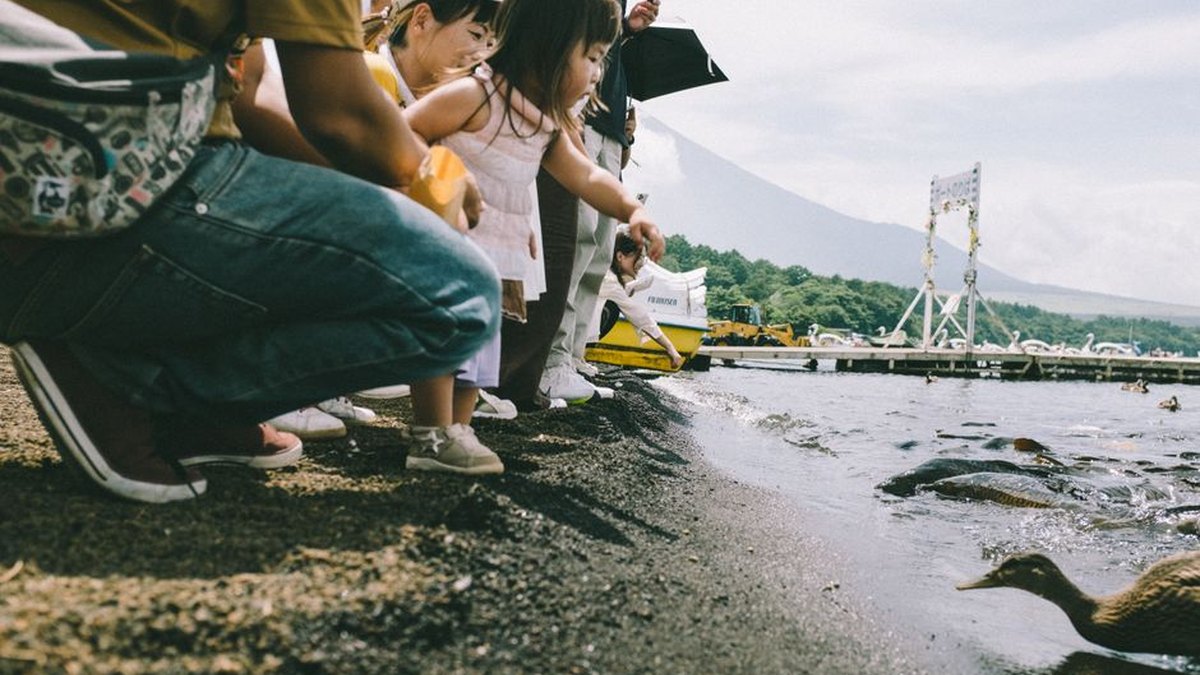
When planning your visits, prioritize temples and shrines that offer facilities such as baby rooms, stroller accessibility, and parking. To avoid the New Year’s rush, consider visiting in the quieter late December period. Teaching children to bow respectfully at torii gates or temple entrances can enhance their experience and instill a sense of respect for the culture. Allergy labeling is quite rare at street food vendors, but more formal dining options may provide this information, so always check before making a purchase.
| Location | Entrance Fee (Adults) | Entrance Fee (Children) | Facilities |
|---|---|---|---|
| Todai-ji | 800 yen | 400 yen | Diaper stations, wheelchair access |
| Kiyomizu-dera | 400 yen | 200 yen | Nursing room, diaper stations |
| Senso-ji | Free | Free | Baby room, nursing room |
| Fushimi Inari Taisha | Free | Free | Stroller parking |
| Hie Jinja | Free | Free | Elevators, nursing corner |
Book skip-the-line family tickets & experiences on Klook →
FAQ
What are some kid-friendly temples in Japan?
Temples like Todai-ji in Nara and Kiyomizu-dera in Kyoto are very family-friendly, offering facilities for children.
Are there stroller rentals available at temples?
Stroller rentals are generally available in Kyoto, but not all temples offer them directly. Check local rental services.
What should I teach my kids about temple etiquette?
Teach them to bow before entering and to be respectful during prayers, focusing on gratitude rather than complex rituals.
Is food allergy information available at temple food stalls?
Informal food stalls usually lack allergy labeling, but more formal restaurants may provide this information.
How can I avoid crowds when visiting temples?
Consider visiting during off-peak times like late December or early morning on weekdays.
What’s the typical prayer fee for a child's first shrine visit?
The fee for ceremonies such as O-miyamairi is around 10,000 yen.
Are there nursing facilities at temples?
Many major temples and shrines offer nursing rooms and diaper changing stations.
What’s easier for navigating temples, strollers or baby carriers?
While strollers may work in some areas, baby carriers are often recommended for navigating uneven terrain.
When planning your family visit to Japan’s temples and shrines, choose locations based on child-friendly facilities and be mindful of peak visiting times for a better experience.